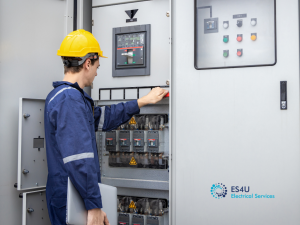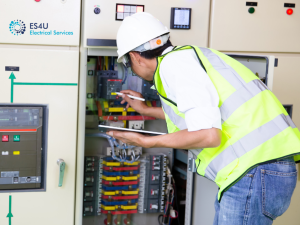

Electrical fit-outs differ between old buildings and new facilities because the starting conditions are never the same. Older buildings often come with dated wiring, limited capacity, and layers of previous modifications that must be carefully reviewed before any new work can begin. In contrast, new facilities are typically designed around modern power demands, which allows electrical fit-outs to be planned with greater efficiency, fewer constraints, and clearer compliance pathways from the very beginning.
How does building age affect electrical planning?
Building age affects electrical planning because older structures were often designed for lower power usage and fewer electrical systems. As a result, existing wiring, switchboards, and layouts may not safely support modern equipment, automation, or higher loads, meaning upgrades or reconfiguration are often required before new installations can proceed.
Why is compliance more complex in older buildings?
Compliance is more complex in older buildings because they were constructed under outdated electrical standards that may no longer meet current regulations. Bringing these systems up to date often requires additional inspections, testing, and adjustments to ensure safety and compliance with modern requirements.
How an industrial fit-out Changes When Working With Existing Structures
An industrial fit-out in an older building usually requires adaptation rather than straightforward installation. Existing walls, ceilings, and structural elements can limit where cabling, machinery, and control systems can be placed. Unlike new builds, older structures may also conceal hidden issues that only become apparent once work begins, making flexibility and careful planning essential throughout the industrial fit-out process.
What limitations do older buildings present during fit-outs?
Older buildings often present limitations such as restricted ceiling space, load-bearing walls, outdated materials, and limited access points. These constraints can make it harder to install modern electrical systems and may require creative solutions to work within the existing structure.
How does existing infrastructure affect design decisions?
Existing infrastructure strongly influences design decisions because new systems must work around what is already in place. This can affect cable routing, equipment placement, and system layout, often reducing design flexibility compared to a new facility.
Why industrial electrical maintenance Is More Complex in Older Facilities

industrial electrical maintenance is more complex in older facilities because systems have often evolved over time without a single, unified design. Ageing components, mixed-generation equipment, and past upgrades can create inconsistencies that are harder to manage. These conditions increase the need for regular inspections and careful monitoring to ensure systems remain safe, reliable, and compliant.
What electrical issues are common in older buildings?
Common issues include deteriorated wiring, overloaded circuits, outdated switchboards, and components that no longer meet current performance or safety expectations. These problems can develop slowly, making them harder to detect without regular maintenance.
Why do older systems require more ongoing maintenance?
Older systems require more maintenance because materials degrade over time and older components are less compatible with modern equipment. This increases wear, raises failure risk, and demands more frequent checks to maintain reliability.
How industrial fitout electrician sydney Approaches Old Versus New Sites
An industrial fitout electrician sydney approaches old and new sites very differently due to the complexity and condition of each environment. Older sites require detailed inspections, testing, and problem-solving before installation begins, while new facilities allow work to follow a cleaner, more predictable process. This tailored approach ensures safety and performance regardless of building age.
How does planning differ between old and new facilities?
Planning differs because older facilities require in-depth assessments of existing systems and potential risks, while new builds allow electrical systems to be designed and installed according to a clear, predefined plan.
Why is site assessment critical before starting work?
Site assessment is critical because it helps identify hidden faults, capacity limits, and safety risks early. This reduces unexpected delays, prevents costly changes mid-project, and supports smoother execution.
How industrial electrician maintenance Differs in New Facilities

Industrial electrician maintenance in new facilities is usually more straightforward because systems are designed to meet current standards from the outset. Modern cabling, layouts, and switchboards are built to handle today’s electrical loads efficiently. As a result, industrial electrician maintenance focuses more on monitoring performance and preventing wear, rather than resolving long-standing issues.
Why are new facilities easier to maintain electrically?
New facilities are easier to maintain because they use modern components that are more reliable, better documented, and easier to access, which simplifies inspections and routine servicing.
How do modern systems reduce maintenance demands?
Modern systems are designed with efficiency and durability in mind, which reduces strain on components and lowers the likelihood of faults developing over time.
How an industrial fit-out Supports Future Expansion in New Builds
An industrial fit-out in a new facility can be designed with future expansion in mind, which is far more difficult in older buildings. Electrical systems can include additional capacity, flexible layouts, and upgrade-ready infrastructure that allows businesses to grow without major disruption. This forward-thinking approach supports long-term adaptability.
How can fit-outs be designed for future upgrades?
Fit-outs can include spare electrical capacity, modular layouts, and accessible cabling paths that allow new equipment or systems to be added with minimal changes.
Why is flexibility easier in new facilities?
Flexibility is easier in new facilities because there are fewer structural and infrastructure limitations, allowing systems to be planned around future needs rather than past constraints.
Choosing the Right Approach for electrical fit-outs in Old and New Facilities
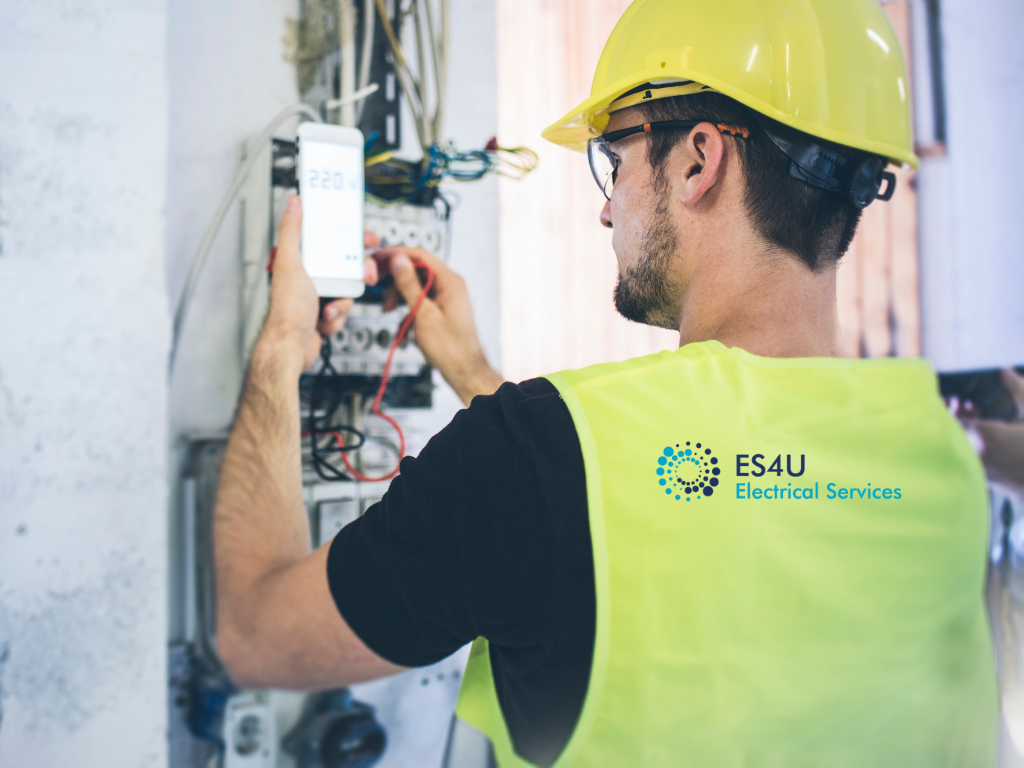
Choosing the right approach for electrical fit-outs depends on whether a facility is old or newly built, as each presents different challenges and opportunities. Older buildings require careful adaptation and risk management, while new facilities allow more efficient and forward-focused planning. Understanding these differences helps businesses make informed decisions that support safety and long-term performance.
How should businesses assess their building before a fit-out?
Businesses should assess building age, existing electrical systems, compliance status, and future operational requirements to determine the most suitable fit-out approach.
Why does the right fit-out approach matter long-term?
The right approach helps reduce future costs, improves system reliability, and ensures the facility can support ongoing growth and operational changes.