
Supporting safe and practical site setup
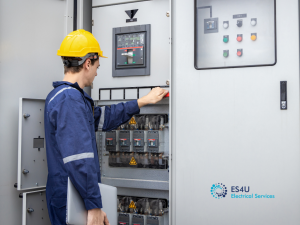
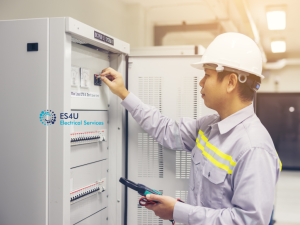
An industrial fitout electrician helps prepare a factory, warehouse, workshop, plant room, or production space so it can operate safely and efficiently.
This work is different from a basic electrical job. Industrial spaces often need more power, heavier equipment, safer cable management, better lighting, emergency systems, and careful planning around machinery.
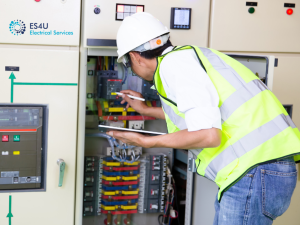
A fitout may include power points, three-phase power, switchboard upgrades, lighting, data cabling, safety switches, machine connections, cable trays, distribution boards, emergency lighting, and testing before handover.
The goal is to make the site practical for daily work. This means the electrical layout should support staff movement, equipment use, storage areas, loading zones, production lines, and future expansion.
If you are comparing suppliers, look for an industrial fitout electrician who asks about your operations first. They should want to understand what equipment you use, how your team works, and what may change later.
Why planning matters before work begins
A good industrial fit-out starts before cables are installed. Planning helps avoid delays, extra costs, and unsafe shortcuts.
For example, a workshop may need extra circuits for welders, compressors, hoists, or CNC machinery. A warehouse may need strong lighting, charging stations, roller door power, security systems, and safe access to switchboards. A food production site may need electrical work that suits cleaning, hygiene, refrigeration, and equipment zones.
Early planning can also help with compliance, access, and staging. This is useful if the business needs to keep operating while the work is completed.
Before the project starts, your electrician should review:
- Equipment power requirements
- Switchboard capacity
- Lighting layout
- Emergency and exit lighting needs
- Cable routes
- Safety requirements
- Access restrictions
- Future growth plans
How to Plan Power for a Factory, Warehouse, or Workshop
Matching power supply to equipment needs
Industrial sites often rely on equipment that needs more than standard power. This may include production machinery, compressors, pumps, motors, welders, lifts, HVAC systems, refrigeration units, and charging equipment.
Before choosing an electrical contractor, list the equipment you plan to use. Include existing machines and anything you may add later. This helps your electrician assess the load and recommend the right power setup.
A site may need three-phase power, dedicated circuits, upgraded distribution, or a switchboard review. The exact requirements depend on your equipment, operating hours, and site layout.
This is where industrial electrical solutions should be practical, not generic. A good solution should support the way your business works now, while allowing room for future changes where possible.
If a claim is made about what your existing power supply can handle, it should be checked through an on-site assessment by a qualified electrician.
Avoiding overloads and layout problems
Poor planning can lead to overloaded circuits, nuisance tripping, unsafe extension lead use, and equipment downtime. These problems are frustrating and can interrupt production.
The electrical layout should place power where it is needed. Staff should not have to run long leads across work areas. Machines should have suitable circuits. Switchboards should remain accessible. Cables should be protected from impact, heat, moisture, or heavy traffic.
Think about how people move through the site. Forklifts, pallet jacks, benches, machinery, stock, vehicles, and loading bays can all affect where electrical points should go.
For new sites, it is best to involve the electrician before the final layout is locked in. This helps align power, lighting, equipment, and workflow before the fitout becomes harder to change.
Electrical Fit-Outs for New Commercial Buildings

What should be included in the scope?
Electrical fit-outs for new commercial buildings can include many different systems. The exact scope will depend on the building type, the lease requirements, the builder’s plan, and the needs of the business moving in.
A typical scope may include lighting, general power, switchboards, metering, data cabling, emergency lighting, exit signs, security wiring, machinery power, test and tag support, and final electrical testing.
For industrial or mixed-use buildings, the fitout may also need to support roller doors, loading docks, air compressors, workshop benches, exhaust systems, fire service equipment, or process machinery.
A clear scope should explain what is included and what is excluded. This helps avoid confusion between the builder, tenant, landlord, electrician, and other trades.
For example, one quote may include emergency lighting and testing, while another may only include general power and lighting. That makes it hard to compare unless each item is clearly listed.
Coordinating with builders, project managers, and other trades
Electrical work rarely happens in isolation. It often needs to be coordinated with builders, plumbers, HVAC installers, data technicians, fire contractors, machinery suppliers, and project managers.
Good coordination helps avoid rework. For example, cable routes may need to be installed before walls or ceilings are closed. Machinery wiring may need to match supplier specifications. Lighting should be planned around shelving, racking, workstations, and ceiling height.
A reliable industrial electrician sydney business should be able to communicate clearly with the project team. This includes reading drawings, flagging problems early, and explaining any changes before they affect the budget or schedule.
If the fitout is for a leased site, it is also worth checking landlord requirements before work begins. Some buildings may have rules about switchboards, access, penetrations, metering, working hours, and final handover documents.
Choosing the Right Product or Service for Your Site
Repair, upgrade, fitout, or maintenance?
Not every business needs a full fitout. Some sites only need targeted upgrades or maintenance.
A full industrial fit-out may be right when you are moving into a new site, changing the layout, adding machinery, building a production area, or preparing a warehouse for operation.
An upgrade may be better when the existing electrical system is mostly suitable but needs extra circuits, better lighting, new power outlets, switchboard changes, or safer cable management.
Industrial electrical maintenance may be the right choice when the site is already operating but needs regular checks, fault finding, testing, repairs, or planned servicing to reduce downtime.
Emergency repairs may be needed when there is power loss, tripping, damaged wiring, burning smells, equipment failure, or signs of unsafe electrical conditions.
Choosing the right service depends on the condition of the site, the equipment used, the risk of downtime, and the long-term plans for the business.
Questions to ask before choosing an electrician
When comparing suppliers, do not choose on price alone. The cheapest quote may not include the planning, testing, documentation, or project support your site needs.
Ask practical questions such as:
- Have you worked on industrial sites like ours?
- Can you review our equipment power needs?
- Will the quote include testing and handover documents?
- Can you stage the work to reduce downtime?
- Do you handle switchboard upgrades if needed?
- Can you coordinate with builders and machinery suppliers?
- What safety steps are included?
- Are licence and insurance details available for checking?
This is a natural point to contact ES4U if you need help comparing options for an industrial fitout electrician sydney project, industrial electrical maintenance, or a wider industrial fit-out. A clear site review can help you understand whether your business needs a repair, upgrade, fitout, or ongoing service plan.
You may also see people search for electrical for u when looking for this type of service. The more important point is to choose a provider that can explain the work clearly and match the solution to your site needs.
Safety, Compliance, and Handover Details
Why safety should guide every electrical decision
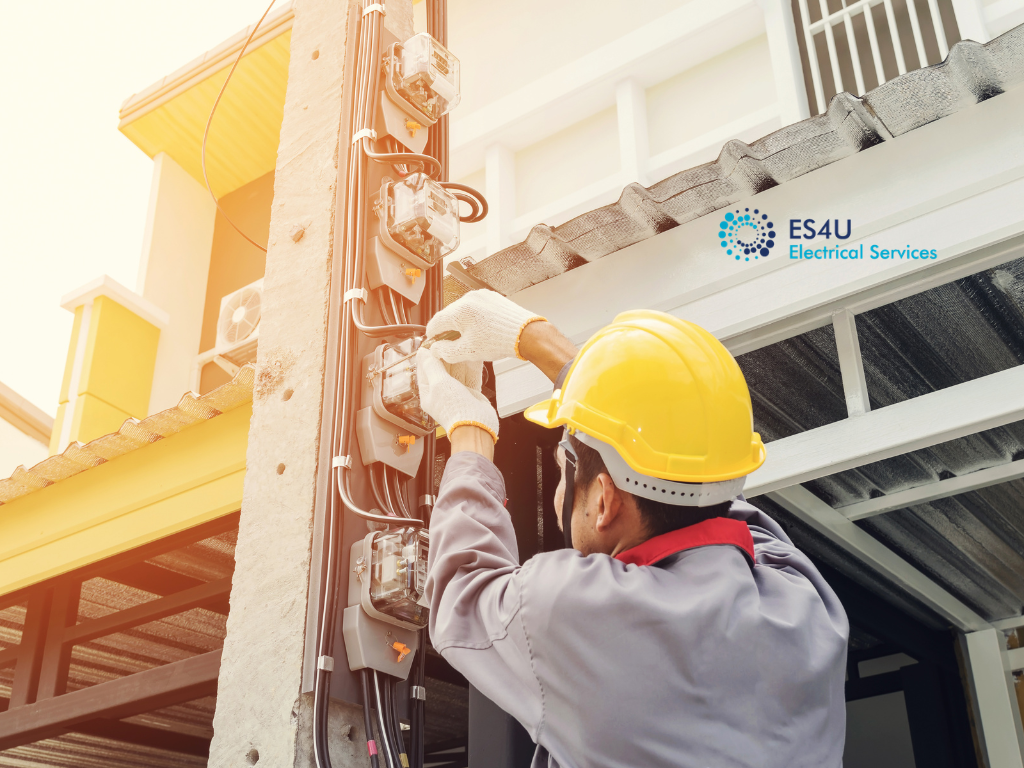
Industrial sites can carry higher electrical risks than standard office spaces. Heavy equipment, moving vehicles, moisture, dust, heat, vibration, and long operating hours can all affect electrical safety.
That is why the fitout should be planned around safe use, not just convenience. Power points should be positioned carefully. Cables should be protected. Switchboards should be accessible. Circuits should suit the load. Lighting should support safe movement and task work.
Emergency lighting and exit signs may also be required depending on the building and use. These requirements should be confirmed against current Australian standards and local regulations.
If your business uses machinery, the electrical work may need to consider isolation points, safety controls, and manufacturer requirements. These details should be checked before installation.
A professional electrician should not guess. They should inspect, test, document, and explain.
What documents should you expect?
Good documentation helps protect the business after the work is finished. It also makes future repairs, upgrades, and maintenance easier.
Depending on the project, useful documentation may include certificates of compliance, testing records, switchboard schedules, equipment connection details, safety information, and maintenance recommendations.
The exact documents required may vary by state, site type, and project scope. This should be confirmed before work begins.
For a larger fitout, ask for a clear handover process. This may include a walkthrough, explanation of switchboard changes, emergency lighting details, and advice on future maintenance.
This is especially helpful for site managers who need to understand how the electrical system supports daily operations.
How to Reduce Downtime During an Industrial Electrical Project
Planning work around business operations
Downtime can be expensive for industrial businesses. Even a short power interruption can affect production, staff scheduling, dispatch, machinery, refrigeration, or customer deadlines.
A good electrician should ask when the site is busiest, what equipment must stay running, and whether work can be staged.
Some projects may be completed in sections. Others may require after-hours work, temporary power, planned shutdowns, or close coordination with the business owner and site manager.
Before work starts, ask for a simple plan that explains:
- What areas will be affected
- When power may need to be turned off
- How long the interruption may last
- What preparation your team needs to do
- Whether temporary power is required
- Who will communicate updates during the job
This helps reduce confusion and keeps the project organised.
Preparing your team before the work starts
Your internal team also plays a role. Staff should know which areas will be unavailable, where temporary access changes may happen, and what equipment should be shut down or moved before electrical work begins.
For warehouses and factories, it may help to mark work zones clearly. Move stock, tools, vehicles, or machinery if needed. Make sure the electrician has safe access to switchboards, ceilings, walls, plant areas, and equipment zones.
If machinery suppliers are involved, confirm their electrical requirements early. Delays can happen when equipment arrives before the site is ready to power it safely.
Good preparation helps the electrician work more efficiently and helps your business return to normal sooner.
When to Contact an Industrial Electrician
Signs your site needs professional attention
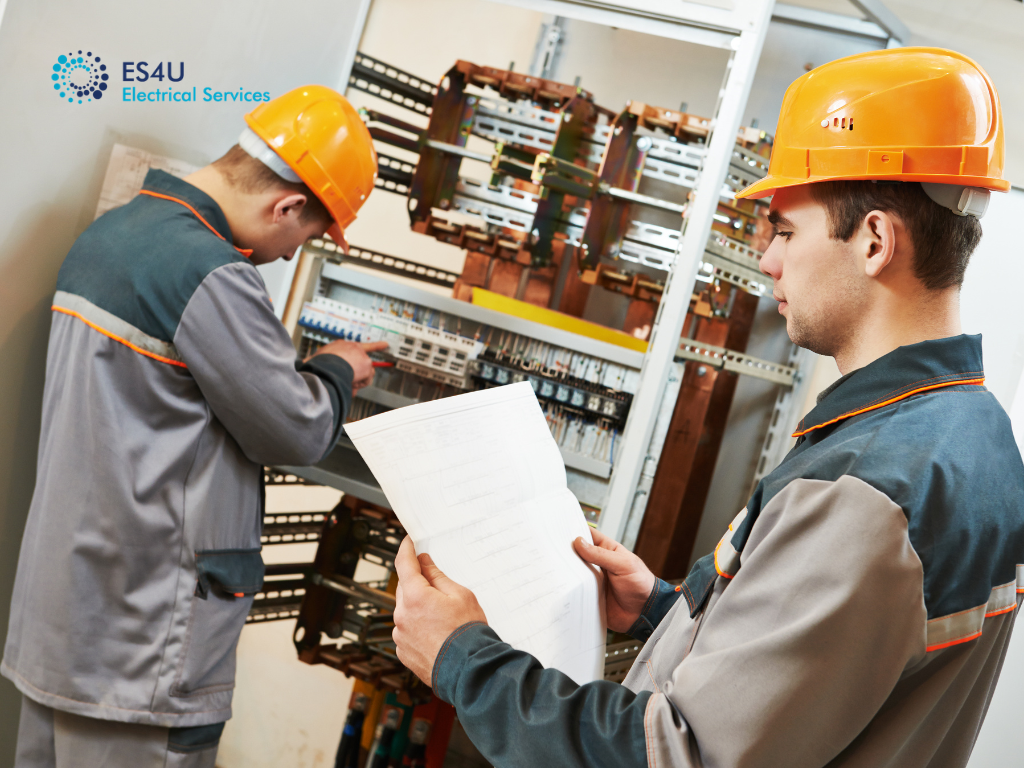
You should contact an industrial electrician if your site has regular power trips, flickering lights, warm switchboard areas, burning smells, damaged outlets, overloaded power boards, unreliable machinery power, or repeated equipment faults.
You should also seek advice before adding new machinery, changing your layout, upgrading lighting, expanding operations, or signing a lease for a new industrial space.
An inspection can help identify whether the existing electrical system is suitable. This is much safer than assuming the site can handle new equipment.
For businesses in Sydney, an industrial fitout electrician can also help when moving into a warehouse, setting up a workshop, preparing a production area, or upgrading an older commercial building.
What to ask during the first conversation
The first conversation should be practical. Explain what your business does, what equipment you use, what problem you are trying to solve, and when the work needs to happen.
Useful details to share include:
- Site type and location
- Current electrical issues
- Equipment list
- Machinery power requirements
- Operating hours
- Access restrictions
- Fitout drawings, if available
- Lease or building requirements
- Preferred project timing
A good electrician should ask follow-up questions and recommend an inspection if the job needs proper assessment. The next step is simple. Request a site review and a clear written scope. This will help you compare suppliers fairly, understand the work involved, and choose an industrial fitout electrician who can support your site safely and practically.