One of the most common questions facility managers ask is how often industrial electrical systems should be inspected. The answer depends on the equipment being used, the operating environment, manufacturer recommendations and applicable workplace safety requirements.
A warehouse with relatively stable operating conditions may have different maintenance needs from a manufacturing facility where electrical equipment is exposed to dust, vibration, moisture or continuous operation.
Understanding these differences helps businesses establish practical maintenance schedules, identify developing problems and arrange professional electrical inspections before faults cause unnecessary disruption.
Why Regular Electrical Inspections Matter for Industrial Facilities
Industrial electrical systems often support several connected operations. A problem affecting one electrical component may interrupt machinery, production processes or other equipment relying on the same power supply.
Regular inspections help identify visible deterioration, damaged electrical components, unusual equipment behaviour and other conditions that may require attention.
For example, repeated circuit trips could indicate an equipment fault, excessive electrical loading or another issue requiring investigation. Damaged cables, deteriorating connections and faulty protection devices may also create electrical safety risks.
Inspections provide an opportunity to identify these concerns and determine whether testing, repairs or further investigation is necessary.
They can also support more organised maintenance planning. Instead of waiting for equipment to fail, businesses can arrange suitable work during planned maintenance periods, where practical.
Although inspections cannot prevent every electrical fault, they form an important part of managing workplace risks and maintaining reliable operations.
Understanding Industrial Electrical Maintenance Sydney Requirements
Electrical maintenance requirements are not identical across every industrial workplace.
In NSW, businesses have work health and safety responsibilities to manage electrical risks associated with equipment and installations under their management or control.
SafeWork NSW requires regular inspection and testing by a competent person for plug-in electrical equipment used in environments where normal operating conditions are likely to cause damage or reduce equipment life. These conditions can include exposure to heat, dust, vibration, moisture, corrosive substances and mechanical damage.
The relevant Australian Standards, including AS/NZS 3760, provide guidance for in-service inspection and testing of electrical equipment and residual current devices.
However, testing portable electrical equipment is not the same as inspecting fixed wiring, switchboards or industrial machinery.
Each category may require different inspection methods, qualified personnel and maintenance arrangements.
A suitable industrial maintenance plan should therefore consider the equipment installed at the facility, how it is used and the specific risks associated with the workplace.
How Often Should Industrial Electrical Systems Be Inspected?
There is no single inspection interval that applies to every industrial electrical installation.
When developing an industrial electrical maintenance Sydney schedule, businesses should distinguish between routine visual observations, formal electrical testing and planned maintenance of fixed electrical infrastructure.
The appropriate frequency depends on the equipment, applicable requirements and level of risk.
Factors That Determine Electrical Inspection Frequency
Several factors influence how frequently electrical systems should be inspected.
Equipment operating continuously may experience different levels of wear from equipment used occasionally. Machinery exposed to vibration, moisture or dust may also require closer attention because these conditions can contribute to electrical deterioration.
The age and condition of electrical equipment are important considerations. Older installations may contain components showing wear, while recently installed systems may require inspections based on commissioning requirements and manufacturer instructions.
Maintenance history can provide useful information. Repeated electrical faults, previous repairs or recurring equipment problems may indicate that the existing inspection schedule needs to be reviewed.
Changes to the workplace also matter. Installing new machinery, increasing electrical demand or modifying production processes may create different operating conditions for existing electrical infrastructure.
Facility managers should use these factors to help determine maintenance priorities rather than assuming that every electrical component requires the same inspection frequency.
Inspection Intervals for Industrial Equipment and Installations
SafeWork NSW provides general guidance for electrical equipment used in hostile operating environments.
As a general guide, plug-in equipment used in these environments should be inspected and tested at least every 12 months. Equipment used in manufacturing and workshop environments may require more frequent testing, with six-month intervals given as an example where the risk warrants it.
These are general risk-based guidelines, not universal intervals for every item in a factory.
Electrical equipment used on construction and demolition sites has additional requirements under AS/NZS 3012. These should not automatically be applied to an established warehouse or manufacturing facility simply because it is an industrial workplace.
Fixed electrical installations, including switchboards and permanent wiring, require their own maintenance approach based on applicable electrical requirements, equipment condition and professional assessment.
Residual current devices, commonly called RCDs or safety switches, must also be maintained and tested regularly by competent personnel where workplace requirements apply.
For industrial businesses, the most practical approach is to have the relevant equipment assessed and establish inspection intervals that reflect its actual operating conditions.
Electrical Systems That Require Regular Maintenance
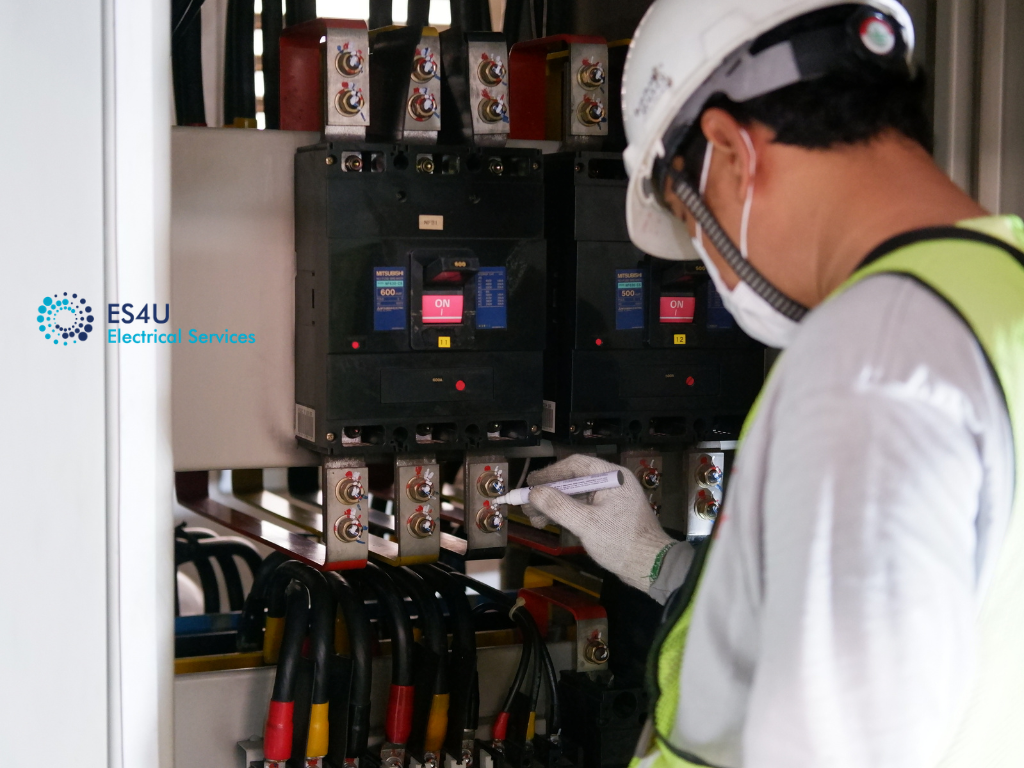
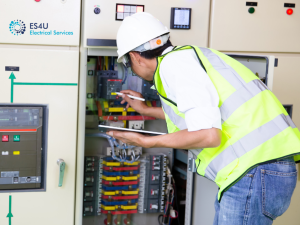
Regular electrical inspections help Sydney industrial facilities identify potential faults and maintain safer working environments.
Industrial facilities contain different electrical systems, each serving a particular function.
A thorough industrial electric service Sydney plan should identify critical electrical infrastructure and establish appropriate inspection and maintenance arrangements for each system.
This helps businesses understand where electrical faults are most likely to affect safety, equipment operation or production continuity.
Switchboards, Power Distribution and Electrical Connections
Switchboards and distribution equipment control how electricity is supplied throughout an industrial facility.
These systems may supply machinery, lighting, power outlets, motors and other essential equipment. Problems affecting distribution equipment can therefore have consequences beyond the individual component where a fault occurs.
Common concerns include deteriorating connections, damaged protective devices, excessive loading and signs of overheating.
Industrial electrical maintenance may involve assessing switchboard condition, reviewing protection equipment, investigating unusual operation and checking whether existing infrastructure remains suitable for the facility’s electrical requirements.
Where appropriate, qualified electrical personnel may use specialised testing methods to identify defects that are not immediately visible.
Maintenance planning should also consider whether new machinery or additional electrical loads have changed the demands placed on existing equipment.
Switchboard inspections and electrical testing must be performed using appropriate safety procedures. Facility staff should not remove covers, access exposed conductors or attempt electrical repairs unless they are authorised, appropriately qualified and the work can be performed safely.
Industrial Machinery, Motors and Production Equipment
Industrial machinery often depends on electrical motors, control equipment, protective devices and power connections working together.
When an electrical component deteriorates, the effects may include unreliable machinery operation, unexpected shutdowns or difficulty restarting equipment.
Electrical maintenance considerations can include motor connections, control panels, protective devices, equipment wiring and components that operate machinery.
For example, frequent equipment trips may indicate an electrical fault, a mechanical problem or operating conditions outside the equipment’s intended limits.
Unusual motor behaviour, overheating or repeated control faults should be investigated rather than treated as normal operation.
Manufacturers may specify inspection procedures, maintenance requirements and operating limits for particular machinery.
These instructions should form part of the maintenance planning process, alongside workplace risk assessments and applicable electrical safety requirements.
For production facilities, coordinating electrical inspections with mechanical maintenance can also help identify problems involving more than one system.
Electrical Maintenance Requirements for Sydney Workplaces
Factories, warehouses and industrial facilities across Greater Sydney operate under different conditions.
An effective industrial electrical maintenance Sydney program should reflect the building’s electrical infrastructure, equipment usage and operational requirements.
Maintenance planning also needs to account for how electrical work may affect employees, production activities and other contractors working on site.
Warehouse Electrical Maintenance Sydney: Key Considerations
Warehouse electrical systems commonly support lighting, power distribution, loading areas, office spaces and equipment used for storage or material handling.
Some facilities also rely on conveyors, automated equipment, battery-charging infrastructure or other specialised electrical installations.
Warehouse electrical maintenance in Sydney should consider the condition of these systems and how their use may affect electrical safety.
For example, electrical cables or outlets located near frequently moving equipment may be exposed to impact or mechanical damage.
Lighting installations may require attention when fittings deteriorate, protective covers become damaged or sections stop operating correctly.
Distribution boards and power connections supporting warehouse equipment should also be assessed as part of the facility’s broader maintenance arrangements.
Where electrical equipment is used in dusty areas or locations exposed to moisture, inspection frequency may need to reflect those higher-risk conditions.
A maintenance plan should consider the warehouse’s actual activities rather than treating all storage facilities as having the same electrical requirements.
Electrical Safety in Factories and Industrial Facilities
Manufacturing environments may expose electrical equipment to conditions that increase the likelihood of damage.
Dust can accumulate around machinery and electrical enclosures. Moisture may affect equipment used in processing or cleaning areas. Vibration can place additional demands on electrical connections and components.
Heat and repeated equipment operation may also influence deterioration over time.
These conditions should be considered when developing industrial electrical solutions and maintenance arrangements.
Businesses are responsible for identifying workplace hazards, assessing associated risks and implementing appropriate controls.
SafeWork NSW guidance explains that managing workplace risks involves eliminating hazards where reasonably practicable or minimising risks through suitable measures.
Maintenance planning should therefore include an understanding of the environment in which equipment operates.
For example, electrical equipment exposed to water, dust or mechanical damage may require protective measures, appropriate equipment selection and more frequent inspection.
Where faults are identified, electrical equipment should be made safe and assessed by appropriately qualified personnel before being returned to service.
Warning Signs That Electrical Maintenance Is Overdue
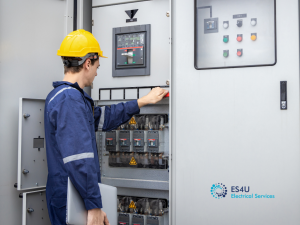
Switchboard inspections help identify damaged components, overheating concerns and potential electrical faults.
Not every electrical fault provides a clear warning before equipment stops working.
However, some problems produce noticeable signs that should prompt further investigation.
Recognising these signs is an important part of industrial electrical maintenance Sydney businesses can use to reduce avoidable risks and respond to developing problems.
Common Electrical Problems That Should Not Be Ignored
Repeated circuit breaker trips are one warning sign that requires attention.
A circuit breaker may operate because of an overload, short circuit or another electrical fault. Repeatedly resetting it without investigating the cause can leave an unsafe condition unresolved.
Unusual burning smells, smoke, discolouration around electrical equipment or signs of overheating are more urgent concerns.
Other warning signs include damaged power cables, deteriorating electrical enclosures, intermittent power supply and machinery that repeatedly shuts down unexpectedly.
Changes in equipment performance may also indicate that further electrical testing is required.
For example, a motor that frequently trips its protective device may have an electrical or mechanical issue that needs professional diagnosis.
Facility managers should encourage workers to report abnormal equipment behaviour promptly rather than allowing faults to continue until the next scheduled inspection.
Where equipment appears unsafe, it should be taken out of service using the site’s established safety procedures and assessed by appropriately qualified personnel.
When Emergency Industrial Electrical Repairs Are Necessary
Some electrical problems cannot reasonably wait for a scheduled maintenance visit.
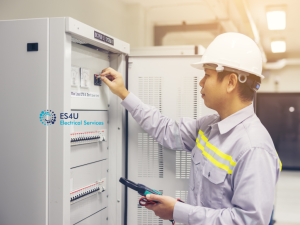
Smoke, sparking, exposed live components, damaged electrical infrastructure and suspected electrical fire hazards require an immedElectrical maintenance inspection of warehouse power distribution equipment, highlighting the importance of checking electrical installations and identifying potential problems in industrial storage and logistics facilities.iate safety response.
Depending on the circumstances, this may involve stopping affected operations, keeping personnel away from the hazard and arranging emergency services or qualified electrical assistance.
Unexpected machinery breakdowns may also require urgent investigation when they affect essential operations or create safety concerns.
Businesses searching for an emergency breakdown electrician for industrial sydney facilities in Sydney should look for a provider with relevant experience and the capability to assess the specific electrical equipment involved.
Electrical fault finding may require controlled isolation, testing and investigation before the equipment can be safely returned to operation.
SafeWork NSW states that electrical work on energised equipment is generally prohibited except in narrowly defined circumstances with additional controls. Electrical work should normally be performed after equipment has been properly isolated and verified as re-energised.
Emergency maintenance should prioritise worker safety over restoring production as quickly as possible.
Planning an Effective Industrial Electrical Maintenance Schedule
A practical maintenance schedule should help businesses identify electrical problems while allowing inspections and repairs to be coordinated with normal operations.
Industrial electrical maintenance Sydney facilities undertake can be more effective when responsibilities, inspection requirements and maintenance records are clearly organised.
How Industrial Electrical Maintenance Sydney Supports Operations
Planned electrical maintenance gives businesses an opportunity to assess critical equipment before an unexpected failure occurs.
This may include investigating recurring faults, reviewing switchboard condition, checking relevant protection devices and assessing equipment that operates in demanding environments.
For production facilities, maintenance work can sometimes be arranged around planned shutdowns or periods of reduced activity.
This allows facility managers to coordinate electrical work with other maintenance activities and communicate expected interruptions to relevant teams.
Reactive maintenance remains necessary when unexpected faults occur. However, relying only on breakdown repairs can make maintenance planning more difficult.
Businesses may find that a combination of scheduled inspections, preventative work and appropriate fault-response arrangements better supports their operating requirements.
An effective program should also be reviewed when electrical systems are upgraded, machinery is replaced or production activities change.
Creating a Practical Electrical Inspection and Maintenance Plan
Developing a maintenance plan begins with understanding the electrical equipment installed at the facility.
This includes identifying critical switchboards, distribution equipment, machinery connections, protective devices and other electrical systems that support daily operations.
The next step is determining which equipment requires formal testing, which installations need professional inspections and what maintenance procedures apply.
Manufacturer instructions, relevant Australian Standards, previous inspection reports and site-specific risk assessments can help guide these decisions.
A clear maintenance record should document inspection dates, identified defects, completed work and recommended follow-up actions.
For plug-in equipment used in hostile operating environments, SafeWork NSW requires testing records that identify the tester, test date, result and next testing date. Records must be retained until the equipment is next tested, permanently removed from the workplace or disposed of.
Businesses should also establish a process for reporting new electrical faults between scheduled inspections.
Where changes are made to machinery or electrical infrastructure, the maintenance plan should be reviewed to ensure the inspection arrangements remain suitable.
This approach allows electrical maintenance to form part of ongoing facility management rather than being treated as an isolated activity.
Choosing the Right Industrial Electrical Maintenance Provider
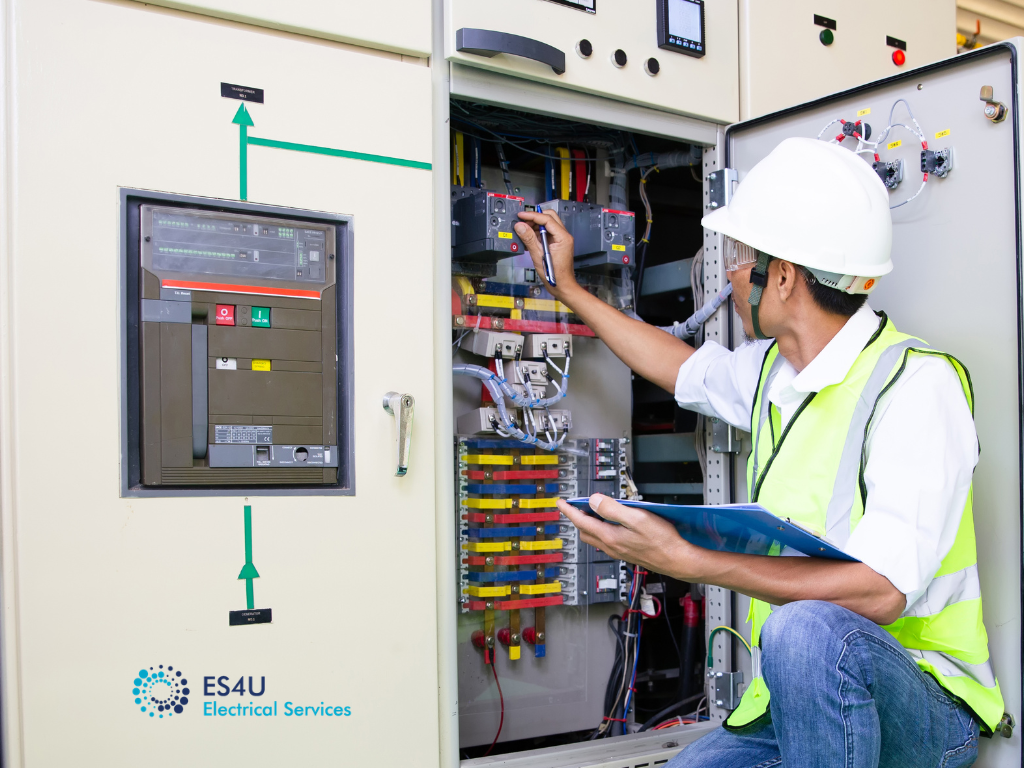
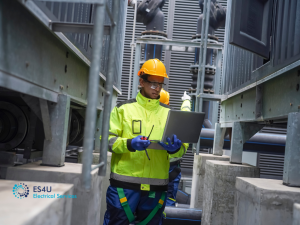
Planned electrical maintenance helps manufacturing facilities identify machinery faults and manage equipment reliability.
Selecting an electrical contractor involves more than comparing the initial cost of an inspection.
A suitable provider should understand the facility’s electrical systems, operating conditions and maintenance requirements.
For businesses arranging industrial electrical maintenance Sydney services, qualifications, relevant experience and clear communication are important considerations.
What to Look for in Industrial Electrical Contractors Sydney
Industrial electrical contractors sydney should have the appropriate NSW licensing and experience for the electrical work being proposed.
In NSW, electrical wiring work requires the relevant electrical licence or certificate, regardless of whether the work is residential, commercial or industrial.
Businesses should also consider whether the contractor has experience with the equipment and electrical infrastructure found at their facility.
For example, maintenance involving manufacturing machinery may require different technical knowledge from work focused on warehouse lighting or commercial power distribution.
When comparing quotations, ask what the proposed inspection includes, which equipment will be assessed and whether testing, fault investigation or repairs are included.
It is also useful to understand how findings will be documented and how the contractor will communicate any defects requiring further work.
The timing of electrical maintenance should be discussed early, particularly where inspections or repairs may require equipment shutdowns.
ES4U provides industrial electrical services in Sydney, including electrical inspections, fault finding, repairs and maintenance support for industrial facilities. Its published service information also covers industrial fit-outs, switchboards and power distribution.
When to Arrange Industrial Electrical Maintenance Sydney
Electrical maintenance should be arranged according to the condition of the equipment, operating environment and applicable inspection requirements.
Businesses should review their maintenance arrangements when machinery is installed, electrical infrastructure is upgraded or equipment begins showing signs of deterioration.
An inspection may also be appropriate following significant electrical faults, repeated circuit trips or changes that affect the facility’s electrical demand.
Facilities without a documented electrical maintenance schedule should consider obtaining professional advice to identify relevant equipment and establish suitable inspection requirements.
The goal is not simply to inspect equipment as frequently as possible. It is to apply the right inspection methods at appropriate intervals based on risk, equipment requirements and workplace responsibilities.
For factories, warehouses and industrial premises across Sydney, a well-planned maintenance approach can support safer working conditions, better equipment oversight and more organised responses to electrical faults.
If your facility needs an electrical inspection or assistance reviewing its existing maintenance arrangements, contact ES4U to discuss your industrial electrical maintenance requirements.
A professional assessment can help you understand which systems need attention, what inspection arrangements may be appropriate and how electrical maintenance can be coordinated with your site’s operations.