
Below is the completed article based on the approved outline. I’ve kept the seven H2 sections, two H3 subheadings under each, avoided bullet formatting, and included the primary keyword naturally in the first paragraph and every main section.
Adding new machinery to a factory, warehouse or workshop is not only an equipment decision. It can also change how much power the site needs, how circuits are protected and whether the existing switchboard can safely support the additional demand. Before connecting high-load equipment, speaking with an industrial electrician Sydney businesses can rely on can help identify whether the current electrical infrastructure is suitable or needs modification.
For Sydney industrial sites, this assessment is particularly important when production is expanding, older equipment is being replaced with larger machinery, or several new loads are being added at the same time. Checking capacity early can also make it easier to coordinate electrical work with fitout schedules, shutdown planning and equipment commissioning.
New equipment can affect much more than a single circuit. Motors, compressors, manufacturing equipment, pumps, refrigeration systems and other industrial loads can place additional demand on the site’s electrical supply. An industrial electrician Sydney facility managers engage should consider how the new equipment fits into the overall electrical system rather than looking at the machine in isolation.
Understand How Additional Equipment Affects Total Electrical Demand
Every piece of electrical equipment contributes to the site’s overall demand, but industrial machinery can have more complex requirements than standard office or commercial appliances.
Some machines draw a relatively steady load during operation, while equipment with large motors may require significantly more current when starting. Other machinery may operate intermittently but still contribute to high peak demand when several systems run at once.
For this reason, industrial electrical solutions should consider the existing equipment already connected to the site, the proposed machinery, operating schedules and future expansion plans. Simply seeing an unused circuit position in a switchboard does not necessarily mean sufficient electrical capacity is available.
Understanding the complete load profile gives the business a clearer basis for deciding whether the existing infrastructure can support the new equipment.
Why Existing Switchboard Capacity Should Be Checked First
The switchboard distributes power throughout the facility and contains protective equipment for the connected circuits. Before new machinery is installed, its capacity, condition and configuration should be assessed.
An industrial electrician Sydney businesses use for this work can review the available supply, existing circuits, protective devices and the electrical requirements of the proposed equipment.
This early assessment can help identify whether a straightforward connection is possible or whether additional work should be planned before the machinery arrives. It may also reveal limitations that could affect later expansion.
For businesses planning significant upgrades, addressing these issues before equipment installation is usually more practical than redesigning the electrical arrangement after machinery has already been positioned.
How to Tell Whether Your Switchboard Has Enough Capacity
Switchboard capacity cannot be determined by appearance alone. A board may have physical room for additional circuit breakers while the site’s electrical supply is already close to the level required by existing operations.
An industrial electrician Sydney operators consult can assess both the switchboard itself and the broader electrical demand of the facility before recommending changes.
Check the Existing Supply, Circuits and Spare Capacity
A useful assessment begins with understanding what is already connected. This includes major machinery, air conditioning, lighting, pumps, compressors, processing equipment and other significant electrical loads.
The electrician can then compare existing demand with the requirements of the new machinery. The assessment may also consider how often equipment operates simultaneously and whether future machinery additions are already planned.
Industrial electric service work may include checking available circuit capacity, distribution arrangements and whether suitable isolation can be provided for the new equipment.
The aim is not simply to find somewhere to connect the machine. The electrical system should be considered as a whole so the additional load does not create avoidable problems elsewhere in the facility.
Recognise Signs That the Current System May Already Be Under Pressure
Existing electrical problems can be an important warning that additional machinery should not be connected without further investigation.
Repeated breaker trips, unexplained interruptions, signs of overheating, limited spare circuits or an ageing switchboard can all indicate that the current system deserves closer assessment.
These symptoms do not automatically mean the switchboard must be replaced. The cause needs to be identified first.
An industrial electrician Sydney businesses engage can determine whether the issue is related to a particular circuit, existing equipment, insufficient capacity or another electrical problem. This provides a more reliable basis for deciding whether modification, repair or a broader upgrade is appropriate.
What Electrical Protection New Machinery May Require
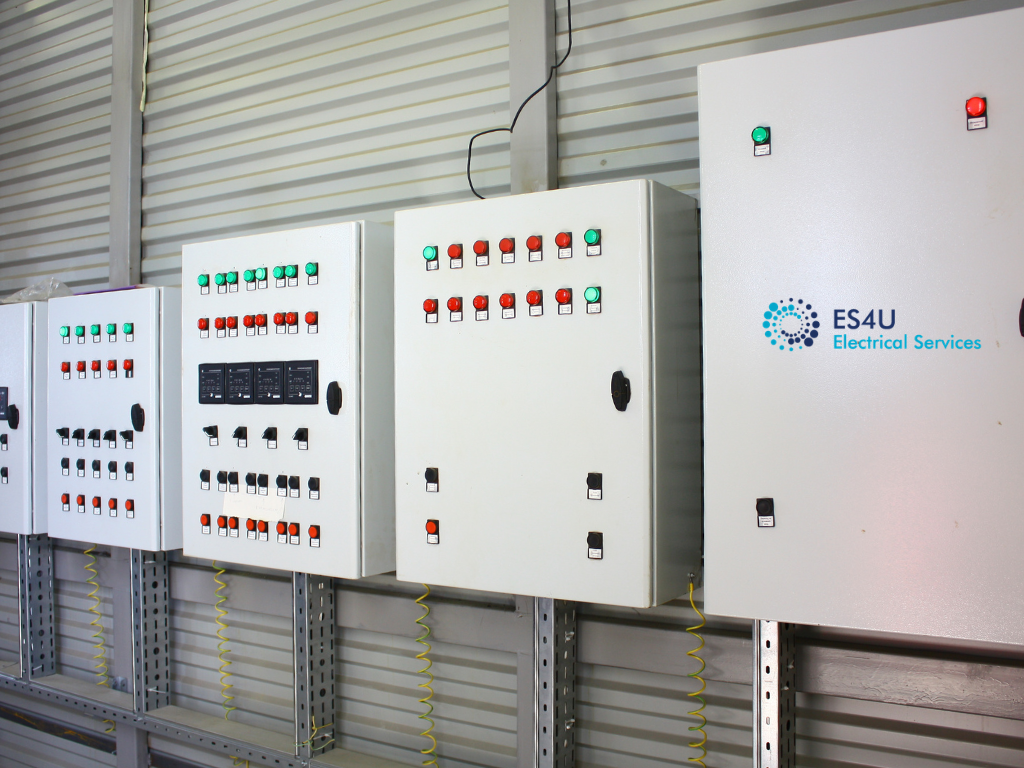
Industrial machinery needs appropriate electrical protection and isolation. The exact requirements depend on the equipment, its electrical characteristics and how it will be operated within the facility.
When planning industrial electrical solutions, an industrial electrician Sydney businesses work with should review the machinery specifications before selecting circuits and protective equipment.
Match Circuit Protection to the Equipment Being Installed
New machinery may require a dedicated circuit, appropriate overcurrent protection and a suitable means of isolation. These components should be matched to the actual equipment rather than selected simply because they are similar to another machine already operating onsite.
The location of isolators can also matter. Operators and maintenance personnel need an electrical arrangement that suits the way the equipment will be used and serviced.
Where machinery forms part of a larger production line, its electrical connection may also need to coordinate with control systems or other plant equipment.
This is why industrial electrical solutions should be planned around both the machinery and the operational environment in which it will be installed.
Why Protection Requirements Can Vary Between Machines
Two machines that appear similar in size can have very different electrical requirements. Motor starting characteristics, operating current, three-phase supply requirements and control arrangements can all influence how equipment should be connected and protected.
Manufacturer information can provide important electrical details, but the equipment still needs to be considered within the context of the facility’s existing electrical system.
An industrial electrician Sydney project managers involve early can review these requirements before installation begins. This can help identify whether additional cabling, protection, isolation or switchboard modifications should form part of the project.
Planning these requirements before the equipment reaches site can also reduce avoidable changes during commissioning.
When a Switchboard Upgrade May Be Better Than Adding Another Circuit
Not every new machine requires a major switchboard upgrade. If sufficient electrical capacity and suitable infrastructure are already available, adding or modifying circuits may be enough.
However, when the existing board has significant limitations, an industrial electrician Sydney businesses consult may recommend considering a wider upgrade instead of repeatedly modifying an ageing or overcrowded system.
Know When Minor Modifications May Be Sufficient
Where the switchboard is in suitable condition and adequate capacity is available, the work may involve providing the correct circuit, protection, cabling and isolation for the new equipment.
This can be a practical solution when the machinery addition is relatively limited and the existing electrical system was designed with some expansion capacity.
Industrial electric service work should still consider what remains available afterwards. A modification that uses nearly all remaining capacity may meet the immediate requirement but leave the facility with little flexibility for the next expansion.
Discussing likely future equipment additions at the same time can therefore improve the usefulness of the assessment.
Understand When Broader Upgrades Should Be Considered
A more substantial upgrade may be worth considering when the existing switchboard has limited capacity, ageing components, insufficient space or an arrangement that no longer suits how the industrial site operates.
Expansion can also create a point where repeated small modifications become less practical than redesigning part of the distribution system to support current and future requirements.
An industrial electrician Sydney facility managers consult should be able to explain why broader work is being recommended and which limitations it addresses.
Businesses comparing industrial electrical solutions should ask whether the proposed upgrade is needed for the current machine alone or whether it is also intended to improve capacity for planned future loads.
That distinction can make it easier to compare different scopes of work.
Plan Electrical Work as Part of an Industrial Fitout
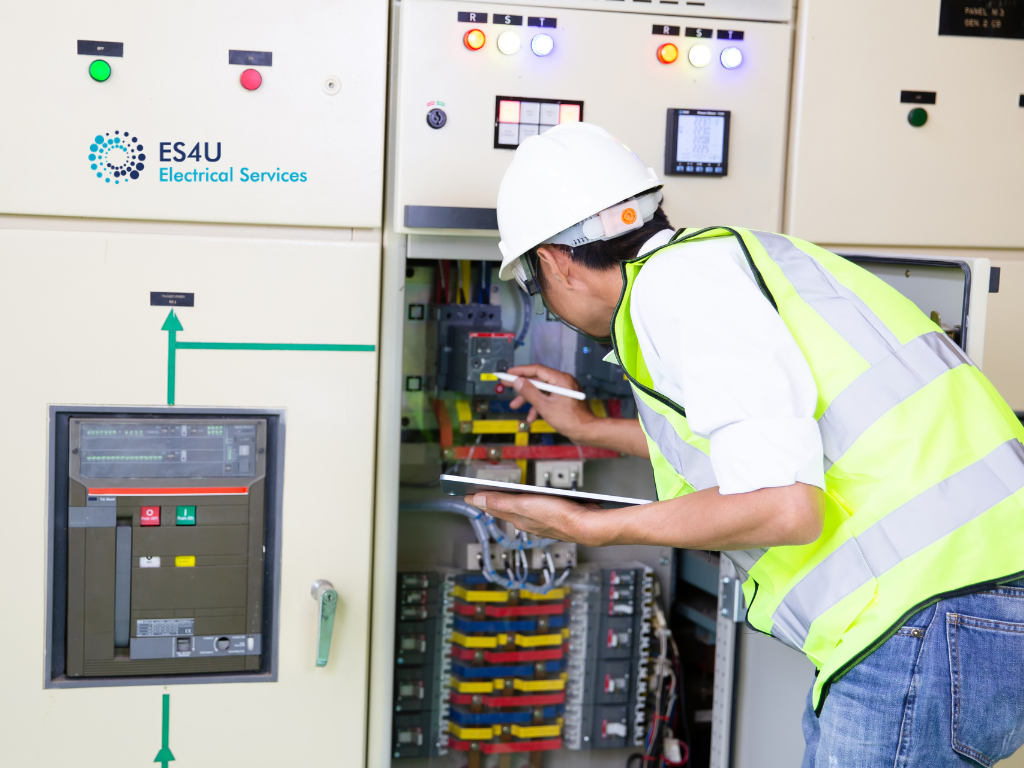
Electrical requirements should be considered alongside equipment placement, access, production flow and other fitout decisions. Leaving the electrical design until machinery is already positioned can create unnecessary compromises.
An industrial electrician Sydney businesses involve during the planning stage can help coordinate electrical infrastructure with the physical layout of the facility.
Coordinate Machinery Installation With Power, Controls and Site Layout
Machinery placement affects where circuits, isolators, cable routes and control connections need to be located.
An industrial fitout electrician sydney can work from equipment requirements and layout information to plan how power will reach each machine while considering access for installation and future maintenance.
For larger Sydney projects, engaging an industrial fitout electrician Sydney businesses use before the final layout is locked in can make coordination easier.
This is particularly useful where several machines are being installed together, production areas are being reconfigured or existing electrical infrastructure needs to remain operational during the fitout.
Avoid Designing the Fitout Before Electrical Requirements Are Known
Choosing equipment locations without first considering electrical requirements can lead to longer cable routes, difficult isolation locations or additional work after machinery has been delivered.
The problem can become more complicated if the switchboard itself needs upgrading or if new distribution equipment is required.
An industrial electrician Sydney project teams involve early can review machinery information alongside the proposed layout and identify electrical constraints before they affect installation.
This does not mean the electrician determines the entire fitout design. Instead, electrical planning becomes one of the practical inputs used to make the final layout workable.
Early coordination can also make cost estimates and shutdown requirements clearer before the project reaches the installation stage.
Decide Whether the Upgrade Requires a Planned Shutdown
Some industrial electrical work can be completed without shutting down the entire facility. Other work may require sections of the electrical system, or sometimes a larger part of the site, to be isolated.
When an industrial electrician Sydney businesses use identifies work that affects major distribution equipment or supply arrangements, shutdown planning may become an important part of the project.
Understand When Electrical Work Cannot Be Completed While the Site Remains Live
Work involving certain switchboard components, major supply changes or electrical distribution systems may require controlled isolation before it can be carried out.
The exact shutdown requirement depends on the electrical system and the work being performed.
Industrial electrical shutdowns services can involve planning which areas need to be isolated, what equipment will be unavailable and what testing needs to occur before normal operations resume.
Businesses should understand this requirement before approving the project because a shutdown can affect production, warehouse operations, communications, refrigeration, machinery and other systems.
Clear planning allows operational teams to prepare for those impacts rather than discovering them on the day of the work.
Plan Shutdown Work Around Production and Operational Needs
Where a shutdown is required, coordination is just as important as the electrical work itself.
Industrial electrical shutdowns services Sydney facilities use may need to be scheduled around production windows, maintenance periods or quieter operating times. Access to switchboards and machinery should also be organised before the shutdown begins.
An industrial electrician Sydney operations managers work with should be able to explain what needs to be isolated, what preparation is required and what work must be completed before electrical supply is restored.
For more complex facilities, plant shutdown electrical services Sydney businesses arrange can form part of a broader maintenance or upgrade program involving multiple contractors or production teams.
The objective is to create a planned sequence of work rather than treating the shutdown as an unexpected interruption.
What to Confirm Before Connecting the New Machinery
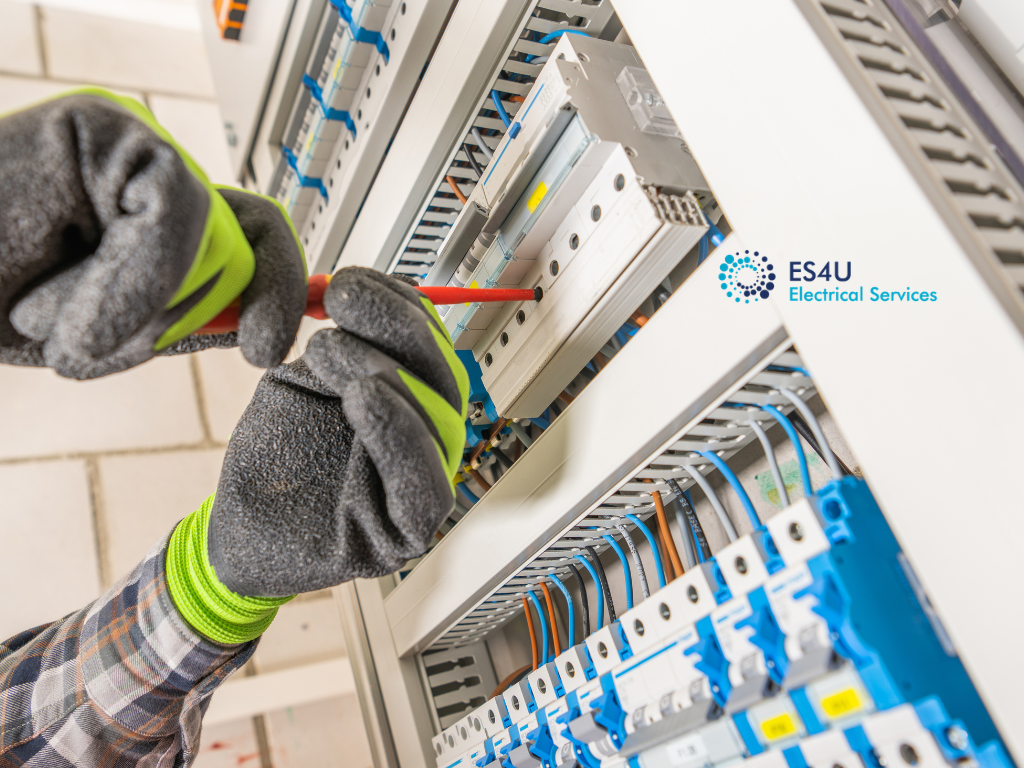
The project should not be considered complete simply because the new machine has power. Electrical work should be checked and the business should understand what was changed before the equipment enters normal operation.
An industrial electrician Sydney businesses choose should be able to explain the completed work, any limitations identified and whether the electrical system still has capacity for future expansion.
Make Sure Testing and Commissioning Are Completed Properly
Before machinery becomes part of normal production, its electrical connection, protective equipment and isolation arrangements should be checked as part of the commissioning process.
Any issues identified during testing should be addressed before the machine is relied on for regular operation.
Where electrical upgrades were completed at the same time, the business should also understand which parts of the system were modified and how those changes relate to the new equipment.
This information becomes particularly useful later if further machinery is added or additional industrial electrical solutions are required.
Keeping relevant electrical and equipment documentation together can also make future maintenance and upgrade planning easier.
Ask the Right Questions Before Approving the Final Installation
Before signing off on the work, ask what electrical capacity was assessed, what modifications were completed and whether any remaining limitations should be considered before future machinery is installed.
It is also useful to understand whether additional equipment can be added without another major upgrade and whether future work is likely to require planned shutdowns.
For Sydney businesses planning new machinery, industrial fitouts or switchboard changes, ES4U can assess the existing electrical infrastructure and discuss industrial electrical solutions suited to the proposed equipment and site requirements.
An industrial electrician Sydney businesses work with should ultimately provide more than a connection point. The assessment should help the business understand whether the electrical system supports the machinery being installed today and how the site may need to adapt as production requirements change.
Checking switchboard capacity before purchasing or connecting additional equipment can therefore make the entire project easier to plan. It gives facility managers a clearer understanding of electrical requirements, potential upgrade work, fitout coordination and any shutdowns that may need to be scheduled before installation proceeds.