
Unexpected power interruptions can affect almost every part of a business, from computers and lighting to refrigeration, machinery and communication systems. While some outages originate from the electricity network, others develop from faults within a building’s electrical installation. Understanding how commercial electricians identify potential problems and support preventative maintenance can help Australian businesses manage electrical risks and reduce avoidable disruptions.
Commercial properties have different electrical requirements depending on how their spaces are used. An office may rely on computers, air conditioning and network equipment, while a warehouse or retail business may operate equipment with higher or changing power demands.
When electrical problems occur, the consequences can include interrupted work, unavailable equipment and delays to daily operations.
This guide explains common causes of power disruptions, warning signs to recognise, maintenance considerations and how to choose suitable commercial electrical services.
What Causes Power Disruptions in Commercial Buildings?
Understanding Common Electrical Problems in Workplaces
Power interruptions can occur for several reasons, and not every outage originates inside the building.
Some disruptions result from electricity network faults, planned supply interruptions or external weather conditions. Others involve the property’s electrical installation or connected equipment.
Within commercial premises, potential problems include overloaded circuits, damaged wiring, deteriorated connections and faulty electrical equipment.
A circuit breaker may disconnect power when it detects an overload or fault. This protective action should not be treated as an inconvenience that can simply be ignored.
The electrical demands of a business also influence its installation requirements. Refrigeration systems, commercial kitchen equipment, computers and machinery may place different demands on electrical circuits.
Identifying where a disruption begins is important before deciding what work is needed.
How Commercial Electricians Identify Electrical Faults
Commercial electricians use professional assessment and testing procedures to investigate electrical problems.
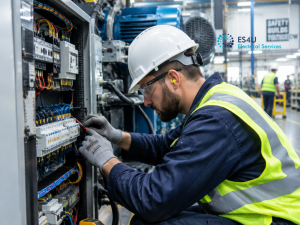
Depending on the symptoms, an inspection may involve assessing relevant circuits, switchboards, electrical connections and equipment.
For example, repeated circuit trips might be associated with an overloaded circuit, defective appliance or installation fault.
The cause cannot always be determined from the symptoms alone.
An electrician may need to examine the electrical installation and carry out appropriate testing before recommending repairs.
Business owners should provide details about when the problem occurs, which equipment is affected and whether the disruption follows a particular activity.
In NSW, electrical wiring work must be undertaken by appropriately licensed people. Employees should not attempt to open switchboards or repair fixed electrical installations themselves.
How Can Preventative Electrical Maintenance Reduce Downtime?
Why Regular Electrical Inspections Matter
Electrical equipment and installations can deteriorate through use, environmental exposure and changing operating conditions.
Dust, moisture, heat, vibration and mechanical damage may increase electrical risks in certain workplaces.
Preventative maintenance helps identify visible defects and other issues that may need attention before equipment fails.
However, maintenance requirements are not identical across every business.
An office with relatively stable equipment may have different inspection needs from a warehouse or commercial kitchen where electrical items face greater exposure to damage.
SafeWork NSW requires certain plug-in equipment used in higher-risk operating environments to be regularly inspected and tested by a competent person.
The frequency depends on the equipment, its use and the workplace conditions.
Regular maintenance cannot prevent every outage, but it can help businesses identify problems that may otherwise remain unnoticed.
Commercial Electricians and Planned Maintenance Programs
Commercial electricians can assist businesses with maintenance arrangements suited to their operations.
A planned program may involve reviewing electrical distribution equipment, inspecting relevant installations and recording defects that require repair.
For businesses operating during regular trading hours, maintenance may need to be coordinated to minimise disruption.
For example, certain inspections or electrical alterations could require scheduled access to distribution equipment or temporary isolation of affected circuits.
Facility managers should understand which systems support essential operations and which areas may be affected by planned work.
Maintenance documentation can also help identify recurring electrical problems.
Rather than treating each issue as unrelated, businesses can use previous findings to guide future inspections and repair priorities.
What Warning Signs Suggest an Electrical System Needs Attention?
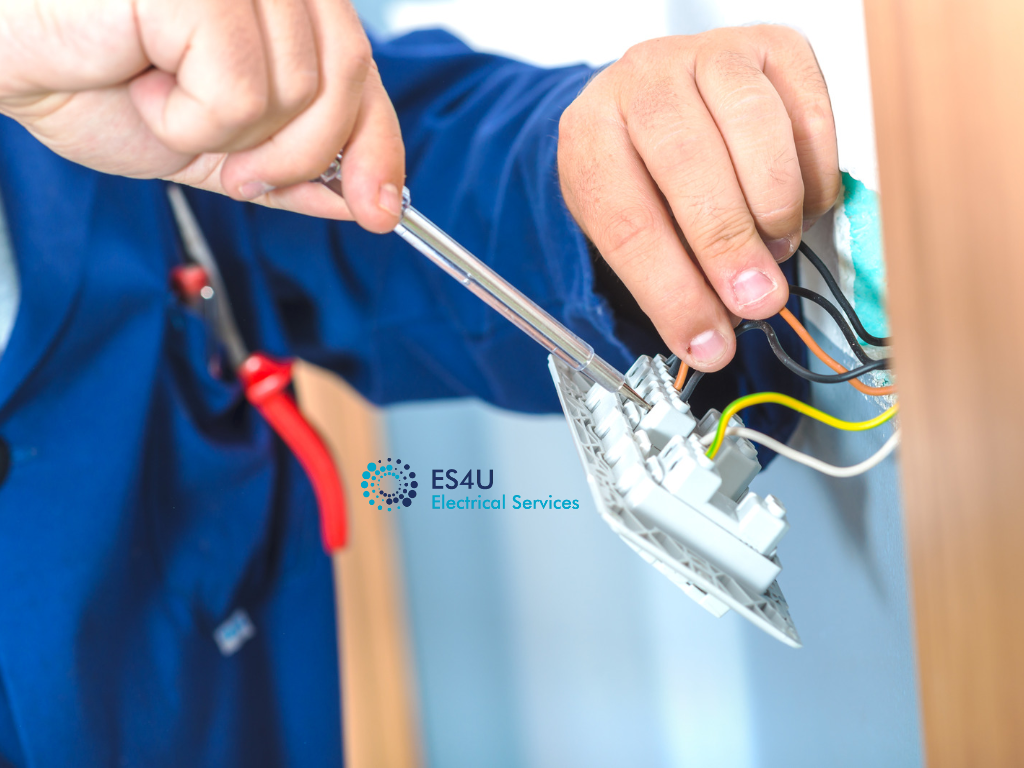
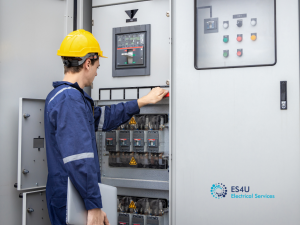
Professional switchboard inspections can help identify electrical faults, deteriorating components and maintenance issues before they cause workplace disruptions.
Recognising Circuit Trips, Flickering Lights and Unusual Heat
Electrical problems sometimes produce warning signs before a complete loss of power occurs.
Recurring circuit breaker trips, flickering lights and intermittent equipment operation may indicate that further investigation is needed.
Other warning signs include unusual buzzing, visible discolouration around electrical fittings and burning smells.
These symptoms can have different causes, so they should not be treated as a confirmed diagnosis.
A damaged electrical outlet or cable may also present an immediate safety concern, particularly where exposed conductors, moisture or overheating are involved.
Employees should report unusual electrical behaviour promptly and avoid using equipment that appears unsafe.
If there are signs of overheating, smoke or exposed wiring, keep people away from the affected area and seek appropriate professional assistance.
Commercial electricians can assess the problem without requiring unqualified staff to investigate potentially hazardous electrical components.
When Commercial Electricians Should Inspect a Switchboard
Commercial switchboards distribute electricity to circuits throughout a building and contain equipment designed to protect electrical installations.
Their condition and suitability are important to workplace electrical safety.
A business may need an assessment when circuit trips recur, electrical components show signs of deterioration or additional equipment is being introduced.
However, a tripping circuit does not automatically mean the entire switchboard requires replacement.
The problem could involve an individual circuit, connected equipment or another part of the installation.
Commercial electricians can assess electrical loads and investigate whether maintenance, repairs, circuit alterations or a larger upgrade may be appropriate.
Repeatedly resetting protective devices without establishing why they operated can expose people and equipment to further risks.
How Do Electrical Loads and Workplace Changes Affect Power Reliability?
Managing Power Requirements in Offices, Shops and Warehouses
Commercial electrical requirements can change as a business grows or modifies its operations.
An office may introduce more workstations, additional air conditioning or new technical equipment.
A retail store might install refrigeration, display lighting or specialised appliances.
Warehouses and industrial premises can have machinery, equipment controls and other significant electrical loads.
These changes can affect how electricity is distributed across the premises.
Existing circuits may not be suitable for every new piece of equipment, even if the business has operated without previous electrical problems.
Before installing major equipment, it is useful to confirm its electrical requirements and whether the existing installation can accommodate them.
This is particularly important when several new loads will operate at the same time.
Planning Commercial Electrical Solutions for Business Growth
Electrical planning should form part of commercial renovations, workplace relocations and equipment upgrades.
Suitable commercial electrical solutions may involve additional circuits, distribution changes, lighting alterations or electrical capacity assessments.
For example, an office fit-out should consider workstation locations, power requirements and future equipment needs before the layout is finalised.
Electrical planning may also need to be coordinated with building management, equipment suppliers and other trades.
Some projects require significant installation changes, while others may be supported through smaller alterations.
A professional assessment helps establish which approach is suitable.
Commercial electricians can explain the electrical requirements of the proposed changes and identify work that needs to be completed before equipment is brought into service.
What Should Businesses Do When a Power Disruption Happens?
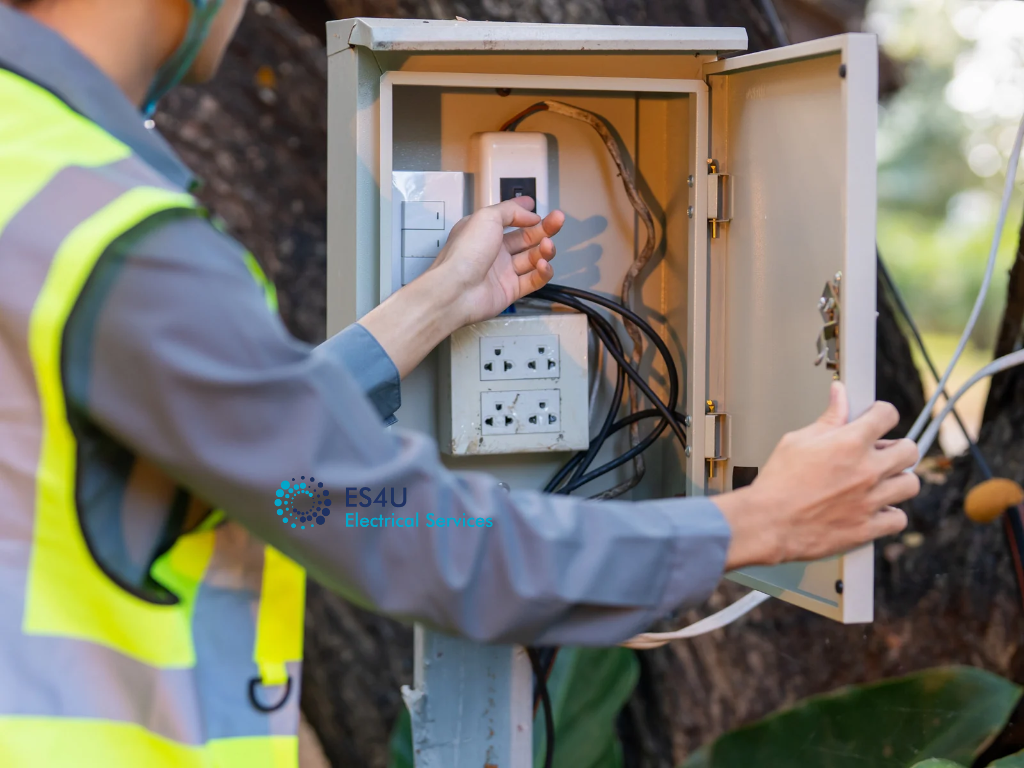
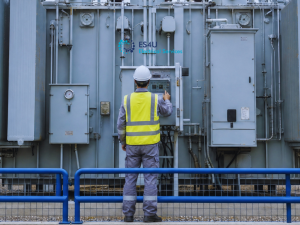
Electrical fault investigations may involve professional testing to identify overheating, circuit problems and components requiring further assessment.
Responding Safely to Electrical Faults and Unexpected Outages
When electricity is interrupted, the first priority is protecting employees, customers and other building occupants.
Businesses should follow their workplace emergency procedures and avoid attempting electrical repairs.
It may be useful to establish whether the outage affects one item of equipment, part of the building or the surrounding area.
If a wider network outage is suspected, check the relevant electricity distributor’s outage information.
Where damaged equipment, exposed wiring, smoke or water-affected electrical installations are present, keep people away from the hazard.
Unsafe equipment should not be returned to service until it has been appropriately assessed.
If there is an immediate threat to life, contact emergency services on Triple Zero (000).
Businesses that rely on critical equipment should also consider their operational contingency arrangements, including safe shutdown procedures and any professionally designed backup power systems.
How Commercial Electricians Support Fault Recovery
Commercial electricians can investigate electrical installation faults and determine what work is required before affected circuits or equipment are returned to service.
Depending on the findings, repairs may involve damaged wiring, faulty components or other parts of the electrical installation.
Appropriate inspection and testing are important after repairs.
If the problem originates from the electricity distribution network, restoration may depend on the network provider rather than a private electrician.
Businesses should also recognise that some repairs may require additional components, access arrangements or planned shutdowns.
After a disruption, documenting the affected systems and identified fault can support future maintenance decisions.
Understanding the cause is more valuable than simply restoring electricity without addressing an underlying problem.
How Do You Choose the Right Commercial Electrical Services?
Comparing Commercial Electrical Services Sydney Providers
Selecting an electrical contractor involves more than finding someone available to attend the property.
Businesses should consider the type of installation, the nature of the problem and whether the contractor provides the required services.
Electrical fault-finding, preventative maintenance, switchboard alterations and commercial fit-outs involve different work requirements.
When comparing commercial electrical services sydney providers, check relevant licences, insurance arrangements and experience with similar commercial environments.
It is also helpful to understand whether the contractor provides planned maintenance, project-based electrical work or both.
ES4U provides commercial electrical services, industrial fit-outs and service and maintenance support. Businesses can enquire about the work required and confirm whether it falls within the company’s available services.
A suitable contractor should explain the proposed work clearly rather than recommend extensive electrical upgrades without an appropriate assessment.
Questions to Ask Commercial Electricians Before Booking
Before engaging commercial electricians, businesses should clarify what the service includes.
Ask whether the proposed visit involves fault-finding, an inspection, specified testing or actual repair work.
Find out how defects will be documented and whether recommendations will distinguish urgent safety concerns from planned improvements.
For maintenance contracts, clarify the proposed schedule, reporting arrangements and responsibilities for organising shutdowns.
Businesses comparing commercial electrical companies sydney should also review quotation inclusions, potential additional costs and any relevant service limitations.
The phrase electrical services commercial covers a broad range of work, so a detailed scope is more useful than a general service description.
Before approving commercial electrician services, confirm the expected deliverables and what will happen if further faults are identified.
How Can Businesses Build a More Reliable Electrical Maintenance Plan?

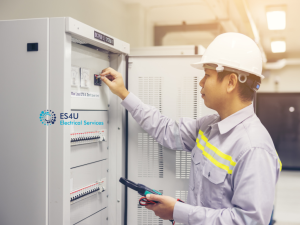
Clear maintenance planning and professional advice can help businesses understand their electrical requirements and prioritise necessary improvements
Creating a Practical Maintenance Schedule for Your Workplace
An effective electrical maintenance plan should reflect how the business operates.
Begin by identifying essential electrical systems, previous faults and equipment that may be exposed to demanding conditions.
Maintenance requirements for an office, commercial kitchen and warehouse may be different because the equipment and operating risks vary.
Keep records of inspections, test results, completed repairs and unresolved recommendations.
These records can help identify recurring problems and support decisions about future maintenance.
It is also sensible to review electrical requirements after major equipment changes, renovations or repeated interruptions.
Commercial electricians can provide advice on appropriate inspection and maintenance arrangements based on the installation’s condition and operating environment.
The goal is to manage electrical risks systematically rather than rely on a fixed schedule that may not suit the workplace.
Working With Commercial Electricians for Ongoing Support
Electrical reliability depends on understanding the condition of the installation and responding appropriately when issues arise.
Ongoing support from commercial electricians may involve scheduled inspections, fault investigations, repairs and planning for changing equipment requirements.
Clear communication between business owners, facility managers and electrical contractors is important.
When maintenance identifies a defect, the business should understand its significance, the recommended action and any operational considerations.
Keeping maintenance records also helps new contractors understand previous work and recurring concerns.
For Sydney businesses reviewing their electrical maintenance arrangements, ES4U can be contacted to discuss commercial electrical service requirements and available maintenance options.
Preventative electrical maintenance cannot eliminate every power interruption, particularly those caused by external network problems.
However, identifying faults, planning electrical changes and engaging appropriately licensed professionals can help businesses reduce avoidable disruptions and make more informed decisions about their electrical infrastructure.