
A commercial electrical system may continue operating for years without creating an obvious problem. However, the electrical needs of a business rarely remain unchanged during that time.
A company may add employees, machinery, refrigeration, computers, security systems, air conditioning or other equipment. Operating hours may increase, room layouts may change and spaces may be divided between new tenants or departments. Each change can place different demands on the existing installation.
This does not mean every business needs a complete electrical upgrade. Some concerns can be addressed through repairs or planned commercial electrical maintenance. Other situations may require new circuits, switchboard work, improved power distribution or a wider redesign of the electrical system.
For businesses comparing commercial electrical services Sydney providers, the first step is understanding the difference between a maintenance issue and a capacity or infrastructure problem. This guide explains the signs to watch for, what an upgrade may involve and how to plan the work with less disruption.
Business growth can increase electrical demand
A commercial electrical system is usually planned around the expected use of the building at the time of installation or fit-out. As the business changes, that original design may no longer match the equipment and activities taking place within the property.
An office may add more workstations, meeting room technology and server equipment. A retail business may install new displays, refrigeration, security systems or digital signage. A warehouse or workshop may introduce machinery, charging equipment, extraction systems or automated tools.
Each addition can increase the electrical load or change how power is distributed across the property. Problems may occur when several high-demand appliances rely on the same circuit or when equipment is connected without reviewing the capacity of the existing installation.
A commercial electrical service upgrade may be considered when the system cannot comfortably support current demand or when upcoming business plans will introduce significant new loads.
The assessment should consider actual equipment requirements rather than relying only on the number of outlets or circuits visible within the property.
Older systems may no longer suit the property
A building does not need to be extremely old for its electrical layout to become unsuitable. Previous tenants may have made alterations, equipment may have been added gradually and circuits may no longer reflect how different parts of the property are used.
An older switchboard may also have limited room for new circuits or protective devices. Labelling may be unclear, documentation may be incomplete and previous additions may make fault finding more difficult.
These issues do not automatically mean that the entire system is unsafe or must be replaced. They do indicate that the property should be assessed before further equipment is connected or major changes are made.
Electrical wiring work in NSW must be carried out by appropriately licensed people, regardless of whether the property is residential, commercial or industrial.
For this reason, businesses should avoid making assumptions about system capacity based only on whether equipment appears to operate successfully.
Signs an Electrical Upgrade May Be Needed
A circuit breaker that trips once may have responded to a temporary fault or a specific piece of equipment. However, repeated interruptions should not be treated as a normal part of business operations.
Frequent circuit breaker trips can indicate excessive demand, faulty equipment, damaged wiring or another electrical problem that requires investigation. The cause should be identified before the circuit is repeatedly switched back on.
SafeWork NSW advises that the reason an RCD, circuit breaker or other protective device disconnected the electricity should be determined before it is re-energised.
Businesses should also pay attention when extension leads, power boards and temporary connections become a permanent part of the workplace. This may indicate that the existing outlet layout no longer suits the equipment being used.
Adding more outlets is not always the complete answer. The electrician may need to determine whether the circuit and switchboard can safely support the additional demand.
Heat, damage and unusual electrical behaviour
Electrical problems are not always announced by a complete loss of power. Smaller changes can provide an early warning that part of the system needs attention.
These can include flickering lights, buzzing sounds, damaged outlets, discoloured fittings, unusual smells, warm switches or equipment that operates inconsistently.
A burning smell, visible arcing or smoke requires immediate attention. People should be kept away from the affected area, and the equipment or circuit should not continue operating until it has been assessed.
SafeWork NSW guidance states that unsafe electrical equipment under the control of a business should be disconnected or isolated and should not be reconnected until it has been repaired, tested as safe, replaced or permanently removed.
Not every symptom means that the entire installation needs an upgrade. A licensed electrician may identify a faulty fitting, appliance or local circuit. However, repeated problems across several areas may suggest that a wider commercial electrical system maintenance review is needed.
What a Commercial Electrical Upgrade May Include
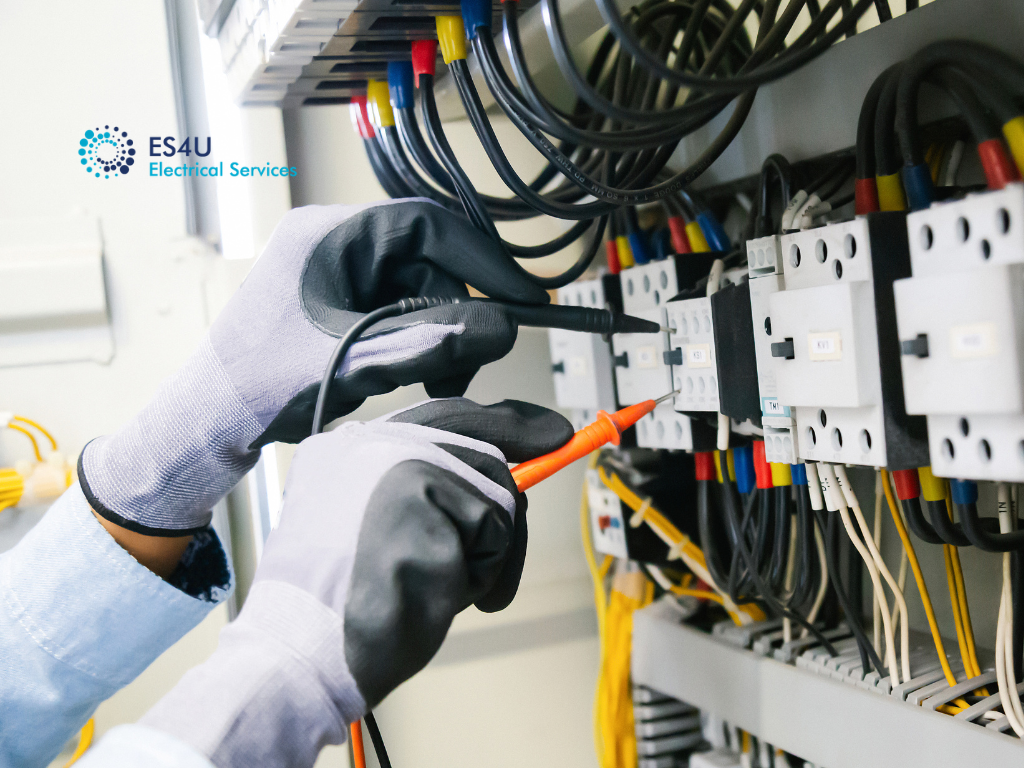
Switchboards, circuits and power distribution
The scope of a commercial electrical upgrade depends on what the inspection identifies and what the business plans to install.
Switchboard work may be required when there is insufficient capacity for new circuits, protective devices are unsuitable or the existing arrangement no longer supports the property’s requirements.
The project may also involve installing dedicated circuits for specific equipment, redistributing loads or separating areas that should not rely on the same circuit.
For example, refrigeration, communications equipment, machinery and essential business systems may need to be considered separately from general power outlets and lighting.
The electrician should explain which components need attention, what capacity is being added and how the work supports current operations. A broad recommendation to upgrade without a clear reason gives the business little basis for comparing quotations.
Lighting, data and specialised equipment
Commercial electrical solutions often involve more than switchboards and power outlets. The required scope depends on how the property is used and which systems are important to daily operations.
A commercial electrical project may include lighting changes, emergency lighting, data cabling, security systems, access control, communications equipment or power for specialised machinery.
Lighting upgrades may be considered when the existing layout provides poor coverage, creates glare, does not suit work areas or is difficult to control efficiently.
A retail space may require flexible lighting and power for displays. An office may need additional data and general power for changing workstation layouts. A warehouse may require high-level lighting, machinery circuits and power distribution across a larger floor area.
The quotation should separate these items clearly so the business can understand which parts of the project are essential, which are optional and which can be completed later.
Maintenance or Upgrade: Choosing the Right Service
Not every electrical concern requires a major upgrade. Commercial electrical maintenance may be suitable when the system has adequate capacity and the problem is limited to individual components or maintenance requirements.
The work may involve inspections, testing, fault finding, damaged fitting replacement, emergency lighting checks, switchboard servicing or maintenance of equipment connections.
Preventive maintenance can also help businesses identify deterioration before it interrupts operations. SafeWork NSW includes visual inspection, testing where necessary and appropriate preventive maintenance among the measures used to manage workplace electrical risks.
A maintenance program should reflect the environment and equipment in use. A standard office, commercial kitchen, warehouse and industrial workshop will not necessarily have the same risks or servicing requirements.
The contractor should explain what will be inspected, how results will be recorded and what happens when a fault is found.
When broader electrical work should be assessed
A wider upgrade should be considered when maintenance alone cannot resolve the underlying limitation.
This may apply when circuits are repeatedly overloaded, the switchboard cannot accommodate planned additions or the business needs to install equipment with higher electrical requirements.
An upgrade may also be sensible during a fit-out, renovation or expansion. Completing electrical work before new walls, ceilings, joinery or equipment are installed can reduce the need to disturb finished areas later.
The decision should consider future plans as well as immediate faults. Installing only enough capacity for today’s equipment may create another limitation soon after the work is completed.
A qualified contractor should review equipment specifications, likely usage, available capacity and the physical layout before proposing commercial electrical solutions.
Planning a Commercial Electrical Project

Reduce disruption through careful scheduling
Electrical work can affect lighting, computers, machinery, communications and access to parts of a workplace. For this reason, project planning is an important part of commercial electrician services.
Before work begins, the business and contractor should identify which systems need to be isolated, how long each shutdown may last and which operations must remain available.
Some work may be completed in stages. One area can be upgraded while another remains operational, provided the electrical design and safety requirements allow it.
After-hours or weekend work may also be considered where interruptions would be expensive or difficult during normal trading hours. However, businesses should confirm whether different labour rates or access requirements apply.
The project plan should identify who will communicate shutdowns to staff, tenants, customers and other contractors. Clear communication reduces confusion and gives teams time to protect equipment or adjust their activities.
Prepare for future business requirements
A commercial electrical upgrade should solve the current problem without unnecessarily limiting future changes.
The business should consider whether it plans to add machinery, EV charging, refrigeration, automation, additional workstations or other electrical equipment.
Flexible circuit distribution, suitable outlet placement and available switchboard capacity may make future changes easier. This does not mean installing equipment that may never be used, but reasonable future requirements should be discussed during planning.
Property layout can also influence the design. Businesses that regularly change workstations, displays or storage zones may need a more adaptable arrangement than a property with fixed equipment.
The contractor should document assumptions about future demand. This allows the business to understand what the completed system is intended to support.
How to Compare Commercial Electrician Services
Commercial electrical work should be completed by appropriately licensed people. NSW requires an electrical licence or certificate for electrical wiring work, regardless of the cost or whether the work is residential, commercial or industrial.
Businesses should confirm the contractor’s licence details and ask who will supervise and complete the work. A company contracting for electrical wiring work must also meet the relevant NSW licensing requirements and have an appropriately qualified supervisor.
Relevant experience also matters. A contractor who mainly handles small office repairs may not have the same project management experience as one that regularly works on warehouses, retail spaces, commercial fit-outs or multi-stage upgrades.
Ask how similar projects were planned, how shutdowns were managed and what documentation is supplied after completion. These questions are more useful than relying only on general claims about experience.
Compare the scope rather than the final price alone
Two quotations for the same commercial electrical project may not cover the same work.
One quote may include testing, labelling, access equipment, after-hours labour and documentation. Another may cover only installation and materials.
The written scope should identify the areas involved, the equipment or systems being installed, preparation, testing, shutdowns and exclusions.
Businesses should also ask how unexpected conditions will be handled. Existing wiring may not be fully visible until ceilings, panels or equipment are accessed. The contractor should explain how variations will be documented and approved.
Warranty information, completion documentation and ongoing maintenance recommendations should also be discussed. A lower price may not represent better value when important work or documentation has been excluded.
When to Contact ES4U

Arrange an assessment when performance concerns appear
Professional advice should be requested when a business experiences repeated power interruptions, recurring circuit trips, damaged electrical fittings or unexplained changes in equipment performance.
An assessment is also useful before adding high-demand equipment, renovating a commercial property or changing the way a workplace is used.
ES4U can be contacted when a Sydney business needs help determining whether the existing system requires a repair, planned maintenance or a broader commercial electrical service upgrade.
The purpose of the assessment should be to identify the current problem, understand future requirements and prepare a clear scope of work.
Businesses should not wait for a complete failure when smaller warning signs are already affecting operations or raising safety concerns.
Provide useful project information before requesting a quote
The quality of a commercial electrical quote depends partly on the information available to the contractor.
Before requesting a proposal, gather available floor plans, equipment specifications, operating hours and details of any known electrical problems.
Explain which systems are essential to daily operations and when power interruptions would be least disruptive. Mention planned equipment purchases, additional workstations or future changes to the property.
Previous electrical reports, maintenance records and switchboard information may also help the contractor understand the installation.
By providing this information and comparing detailed scopes, businesses can make a more informed choice between maintenance, repair and upgrade services. The final solution should match the property, support current operations and allow reasonable flexibility for future growth.