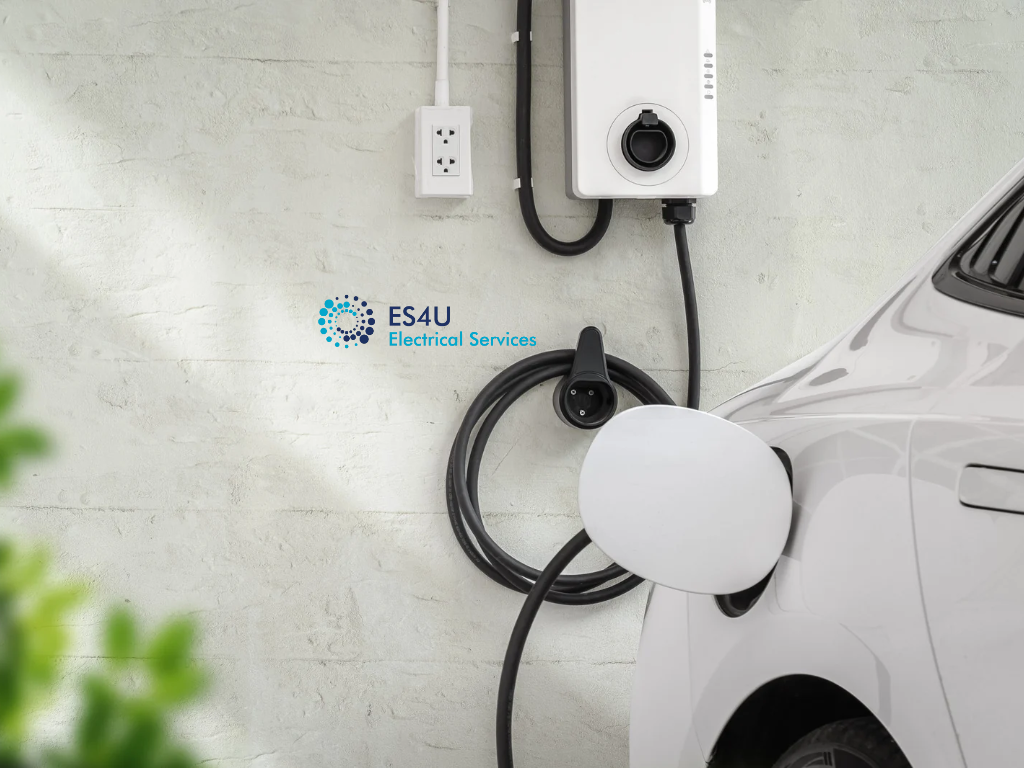
Commercial electrical companies Sydney businesses work with can play an important role in preparing commercial properties for electric vehicle (EV) charging. Whether you manage an office, retail centre, warehouse or company fleet, installing EV chargers involves more than choosing equipment and connecting it to a power supply.
The electrical capacity of the building, type of charging equipment, parking arrangements and safety requirements can all influence the installation. A charger that suits employees parking throughout the day may not be suitable for a business that needs to recharge fleet vehicles between deliveries.
For Sydney businesses considering EV charging infrastructure, understanding these requirements early can help avoid unsuitable equipment purchases, unexpected electrical upgrades and unnecessary disruption.
This guide explains how to assess your property’s electrical capacity, compare AC and DC chargers, understand NSW compliance requirements and select a qualified electrical contractor.
Why Sydney Businesses Are Considering EV Charging Facilities
Understanding EV Charging Needs Across Commercial Properties
Electric vehicle charging requirements vary depending on how a commercial property operates. An office building may need chargers for employees who park for several hours, while a retail centre may want to provide charging facilities for customers making shorter visits.
Warehouses and fleet depots have different considerations because vehicles may need to recharge between scheduled journeys. Hotels, medical centres and commercial car parks may also have unique requirements based on parking duration, visitor access and electricity demand.
Before choosing equipment, property managers should identify who will use the chargers, how long vehicles typically remain parked and whether charging will be offered to employees, customers or company fleets.
These details help determine the number of charging points needed and the most practical charging arrangement.
When to Speak With Commercial Electrical Companies Sydney
Early electrical planning is useful because not every commercial property has enough spare capacity to support additional charging equipment without modification.
Commercial electrical companies Sydney businesses consult can assess the existing electrical installation and explain whether further investigation, new circuits or infrastructure upgrades may be necessary.
The initial discussion should cover the property’s electrical supply, switchboard condition, available parking spaces and proposed charging requirements.
Businesses should also consider whether they expect to add more chargers in the future. Planning for possible expansion during the initial project can help identify infrastructure requirements before installation begins.
Assessing Electrical Capacity Before Installing EV Chargers
Can Your Existing Switchboard Handle Additional Charging Demand?
EV chargers introduce additional electrical loads that must be considered alongside the equipment already operating within a commercial building.
Air conditioning, refrigeration, lighting, machinery and other electrical systems may place significant demand on the existing supply. Adding several chargers without assessing these loads could create capacity or operational problems.
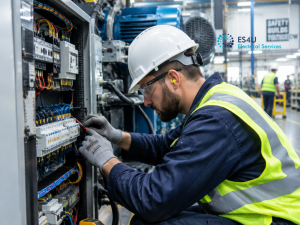
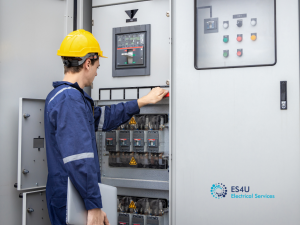
A licensed electrician can review the switchboard, distribution circuits and relevant electrical information to determine whether the proposed charging equipment is suitable for the site.
Not every property needs a complete switchboard replacement. Some installations may require additional circuits or modifications, while others may need more substantial electrical infrastructure work.
When comparing commercial electrical companies Sydney property owners should ask whether an assessment of existing demand and electrical capacity is included in the proposed service.
How Load Management Can Support Commercial Charging
Electrical load management helps control the amount of power allocated to EV chargers, particularly when several vehicles may be connected simultaneously.
For example, a workplace may use a charging management system that adjusts charger output when other building equipment requires more electricity. Scheduled charging may also help businesses coordinate vehicle charging with operational needs.
These commercial electrical solutions can help make better use of available electrical capacity, although they do not automatically remove the need for upgrades.
The suitability of load management depends on the building’s electrical design, charger compatibility and intended charging demand.
Businesses should discuss these requirements before purchasing equipment rather than assuming all charging systems support the same management features.
Choosing Suitable EV Chargers for Your Business
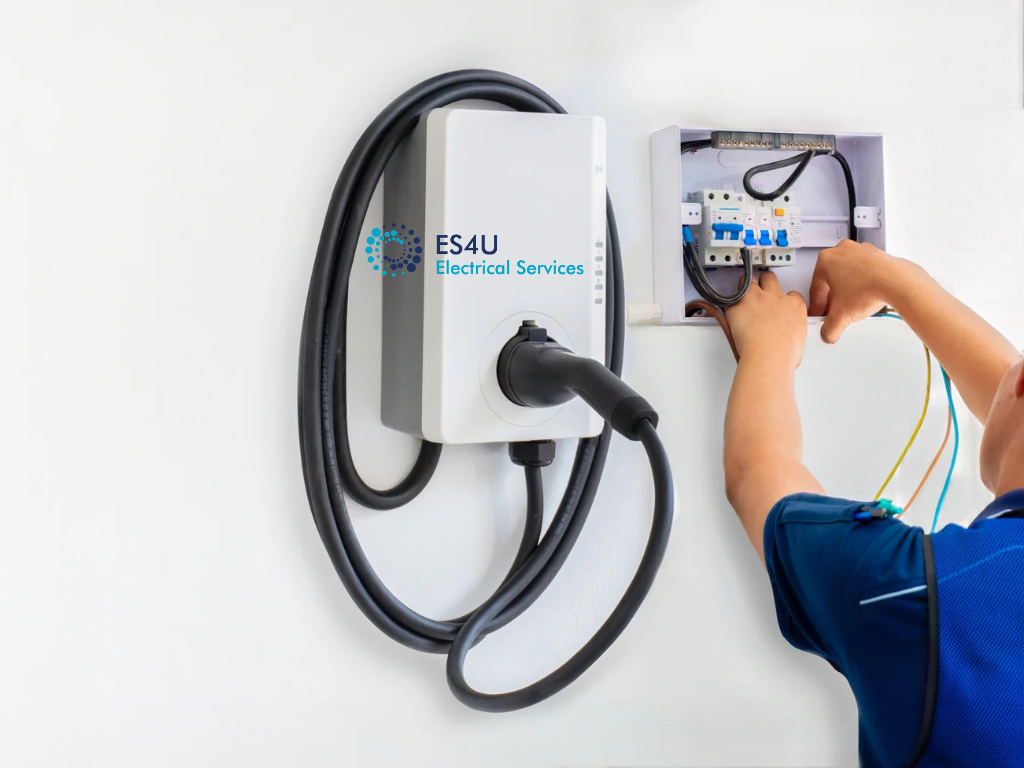
Planning EV charging infrastructure starts with understanding the building’s electrical capacity and charging requirements.
AC Versus DC Charging for Commercial Properties
Commercial EV charging equipment generally uses either alternating current (AC) or direct current (DC) charging.
AC chargers are commonly considered for offices, workplaces and other locations where vehicles remain parked for extended periods. They may suit employees charging during a working day or company vehicles parked overnight.
DC charging equipment delivers power directly to a compatible vehicle’s battery and may be more suitable where faster charging is required. However, DC installations generally involve higher electrical demand and may require more extensive supporting infrastructure.
Charging performance depends on the vehicle, charger rating, battery condition and other factors. A high-powered charger will not necessarily deliver its maximum advertised output to every vehicle.
When assessing commercial electrical companies Sydney businesses should ensure the proposed installation reflects actual vehicle usage rather than selecting chargers solely by their rated power.
What Features Matter When Comparing Charging Equipment?
Beyond charging speed, commercial property owners should consider equipment compatibility, durability, installation requirements and ongoing management.
For workplace charging, basic access controls and usage monitoring may be sufficient. A public-facing commercial charging facility may need additional features such as payment processing, user identification and remote monitoring.
Outdoor installations also require equipment suitable for the location and expected environmental conditions. Charger positioning should consider pedestrian access, vehicle movement and the risk of accidental impact.
Businesses planning several chargers should confirm whether the selected equipment supports load management and future expansion.
Choosing the right charger involves balancing convenience, electrical capacity, management features and long-term operating requirements.
Understanding NSW Electrical Safety and Compliance
Electrical Licensing and Installation Requirements
Commercial EV charger installation involves electrical wiring work that must be undertaken by appropriately licensed electrical professionals in NSW.
Installations must comply with applicable electrical legislation, relevant Australian Standards and manufacturer requirements. The appropriate design may involve dedicated circuits, electrical protection, isolation and other measures determined by the installation.
The commercial electricians engaged for the project should explain the relevant compliance requirements before work begins.
In NSW, electrical wiring work requires appropriate compliance testing and a Certificate of Compliance for Electrical Work (CCEW). Since 1 July 2026, CCEWs have been submitted through the BCNSW eCert system.
Businesses should request the relevant documentation following installation and confirm that the equipment has been tested and commissioned.
These requirements apply whether the project involves a small workplace installation or a larger commercial charging facility.
Planning Safe Charging Areas in Commercial and Industrial Buildings
Charging equipment should be installed where drivers can use it safely without creating unnecessary hazards for pedestrians, other vehicles or building operations.
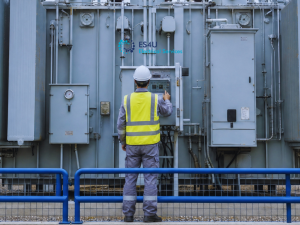
For warehouses and industrial properties, charger placement may need to account for forklifts, loading areas, delivery vehicles and other equipment operating nearby.
Businesses researching commercial industrial electric systems should consider how EV charging will interact with existing machinery, electrical distribution and operational schedules.
Commercial electrical companies Sydney facility managers work with should also identify whether the proposed installation requires approval from a landlord, building owner, owners corporation or another relevant party.
Some projects may require coordination with the electricity network provider, particularly where supply upgrades or additional network capacity are involved.
Addressing these considerations before installation can help avoid changes to the project once work has started.
Choosing the Right Electrical Contractor for EV Charger Planning
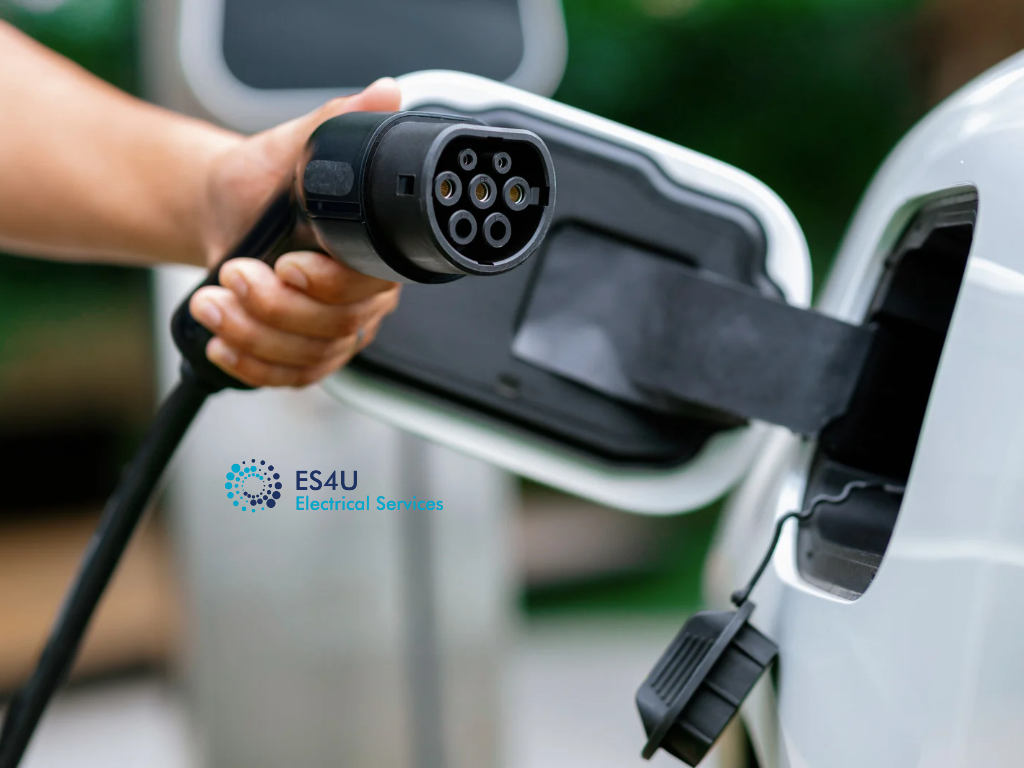
Reviewing existing switchboard capacity and electrical demand helps businesses determine whether their property can support EV charging equipment.
What to Check Before Hiring Commercial Electricians
Choosing an electrical contractor should involve more than comparing installation prices.
Businesses should verify relevant NSW electrical licensing and ask whether the provider has experience assessing commercial electrical loads, installing charging infrastructure or coordinating similar electrical projects.
Not every electrical contractor specialises in EV charging equipment, so it is important to confirm the exact services available.
A contractor may be able to assess switchboard capacity, install circuits or undertake electrical upgrades while specialist charger configuration, payment systems or network management are handled by another provider.
When comparing commercial electrical companies Sydney business owners should ask who will be responsible for equipment selection, installation, commissioning and ongoing support.
ES4U provides commercial electrical services including electrical design and construction, switchboard installation and labelling, data cabling and fault finding.
These broader capabilities may be relevant when assessing a property’s existing electrical infrastructure. However, businesses should confirm directly whether specialist EV charger installation services are available for their proposed project.
Comparing Commercial Electrical Contractors Sydney
A useful quotation should explain what is included in the proposed work and identify any important assumptions about the existing electrical installation.
When reviewing commercial electrical contractors sydney, consider whether the quotation includes an initial assessment, charger installation, cabling, electrical protection, switchboard modifications and commissioning.
Where equipment is being supplied, confirm the proposed model, specifications and warranty arrangements. Ask whether additional costs could arise if electrical capacity limitations are discovered during the project.
Businesses should also establish who will coordinate any required building approvals, network enquiries or specialist charging software services.
Clear project documentation helps property owners compare contractors on the work being provided rather than relying on a single total price.
Understanding Commercial EV Charger Installation Costs
What Influences Installation and Electrical Upgrade Costs?
Commercial EV charging installation costs depend on the equipment selected, number of charging points and complexity of the electrical work.
Installing a charger close to an adequately sized distribution board may involve different requirements from supplying multiple chargers across a large car park.
Long cable runs, trenching, new electrical circuits, protective equipment and switchboard modifications can affect the final project cost.
Higher-powered DC charging systems may also require additional supply infrastructure, depending on the site’s existing capacity.
Commercial electrical companies Sydney businesses compare should explain which costs relate to the chargers themselves and which relate to electrical installation, building work or network requirements.
A site-specific assessment is generally more useful than relying on a generic installation price that may not reflect the property’s condition.
Planning for Ongoing Maintenance and Operating Expenses
The initial installation is only one part of the overall cost of providing commercial EV charging.
Businesses should consider electricity consumption, equipment servicing, software subscriptions and any charges associated with payment processing or remote management.
Some charging systems may require ongoing technical support, while others may have simpler maintenance arrangements.
Commercial electrician services can also be relevant when future electrical inspections, fault investigation or alterations to the installation are required.
Before selecting a provider, ask which support services are included and whether specialist equipment maintenance must be arranged separately.
Future expansion deserves consideration as well. Adding chargers later may involve new cabling, further electrical capacity assessments or modifications to the existing system.
A realistic budget should account for the total ownership and operating requirements rather than the charger purchase price alone.
Planning a Commercial EV Charger Installation Project
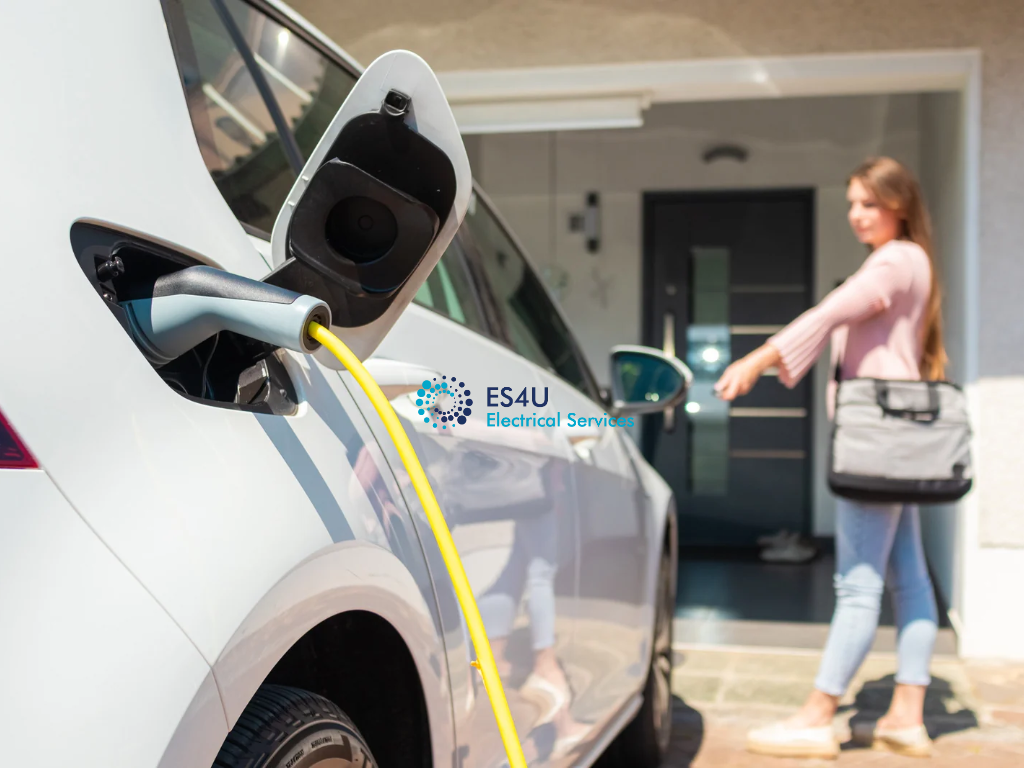
AC and DC chargers serve different commercial needs depending on vehicle parking duration, electrical capacity and charging demand.
From Initial Assessment to Testing and Commissioning
A practical EV charger project begins with understanding who will use the charging facilities and how often charging will be required.
The next stage is assessing the building’s electrical infrastructure, including available capacity, distribution equipment and potential installation locations.
Once these requirements are understood, businesses can compare suitable chargers and request quotations for the proposed work.
Relevant approvals should be resolved before installation begins. Larger projects may involve coordination between electrical contractors, property managers, equipment suppliers and the electricity network provider.
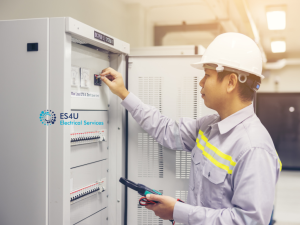
After installation, the electrical work should be tested, the equipment commissioned and the required compliance documentation completed.
Commercial electrical companies Sydney property managers engage should explain what documentation and operating information will be provided at handover.
This may include charger instructions, warranty details, relevant electrical certificates and information about support arrangements.
Preparing Your Property for Future EV Charging Needs
Commercial charging requirements may change as businesses add electric vehicles or more employees and customers begin using charging facilities.
Property owners can prepare by considering potential charging locations, future electrical capacity requirements and whether additional infrastructure could be accommodated.
However, planning for expansion does not necessarily mean installing more chargers than the property currently needs.
Reviewing actual charger usage can help businesses understand whether existing facilities are meeting demand and when additional equipment may be worthwhile.
For Sydney businesses considering EV charging, the most useful starting point is a clear understanding of the property’s current electrical system.
ES4U’s commercial electrical team can assist with enquiries relating to its published commercial electrical capabilities, including electrical design, switchboards and installation work. Businesses can contact ES4U to discuss their property’s requirements and confirm whether the proposed EV charging project falls within its available services.
Before purchasing equipment or arranging installation, seek advice from an appropriately qualified electrical professional and confirm the specialist services required.
Thoughtful planning, suitable equipment selection and a clear understanding of electrical capacity can help businesses make informed decisions about commercial EV charging infrastructure.